
I used to spend $400 a month on groceries for just two people. I had no idea where the money was going until I started meal planning. Within one month, I cut that number nearly in half. Same quality food. Same enjoyment. Just an actual plan before I walked into the store.
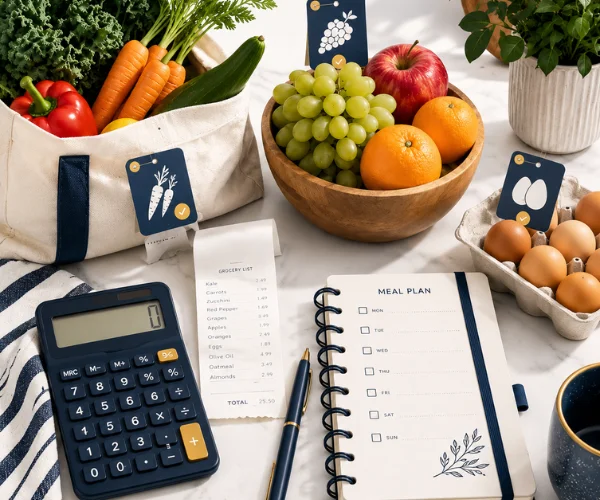
If you’ve never meal planned before, this guide walks you through exactly how to start and why it’s the single most effective thing you can do to cut your food budget without eating worse.
What Is Budget Meal Planning?
Budget meal planning is deciding what you’ll eat for the week before you shop and buying only what you need for those meals. That’s it. No complicated system. No hours of prep. Just a list of meals and a grocery list that matches it.
The reason it works: most overspending at the grocery store comes from buying without a plan. You grab things that look good, forget what you already have, and end up with a fridge full of ingredients that don’t go together plus a $15 takeout order on Thursday because “there’s nothing to eat.”
Meal planning eliminates that. When you know what’s for dinner every night, you shop for exactly that. Nothing gets wasted. Nothing gets forgotten. And the question “what’s for dinner?” gets answered on Sunday instead of 6pm on a Wednesday.
How to Start Budget Meal Planning in 5 Steps
Step 1: Check What You Already Have
Before you plan anything, open your fridge, freezer, and pantry. What’s already there?
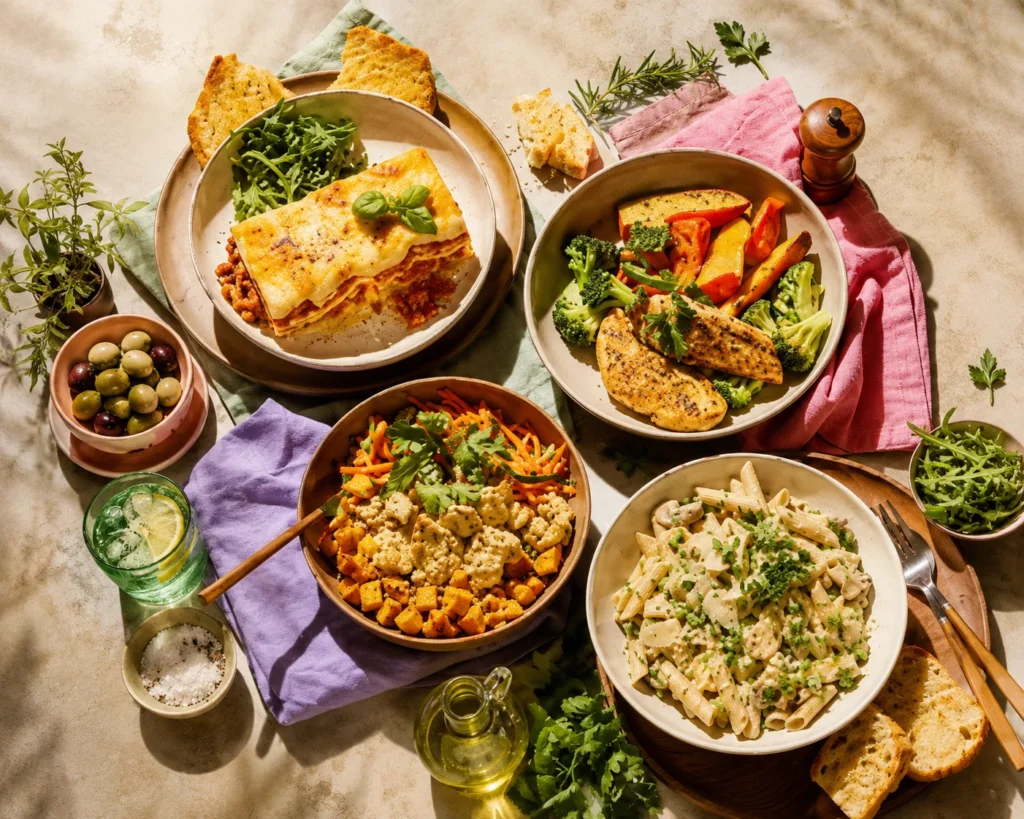
Most people have more than they think canned beans, pasta, rice, frozen vegetables, sauces. These are the foundation of cheap meals. Your meal plan should use what you already own before buying more.
Make a quick note of what needs to be used soon (things close to their expiry date go into this week’s meals first) and what can anchor a meal (a bag of rice becomes the base of three different dinners).
Step 2: Plan 5–6 Meals for the Week
You don’t need a plan for every single night. Aim for 5–6 dinners. Lunch is usually leftovers. Breakfast stays simple and consistent.
Keep it realistic. If you know Tuesday is busy, plan something fast a 20-minute pasta or a stir fry, not a slow-cooked casserole. A meal plan that fits your actual week gets cooked. One that doesn’t gets abandoned.
Budget-friendly meals to anchor your week:
A big pot of soup or chili cheap to make, lasts 3–4 days, freezes well. A sheet pan dinner with whatever vegetable is on sale. A bean-based meal tacos, rice and beans, lentil soup. A pasta dish pasta is one of the cheapest filling foods available. One “use everything up” meal on Friday stir fry, fried rice, or grain bowl with whatever’s left
Step 3: Write Your Grocery List From the Meal Plan
Once you have your 5–6 meals, write down every ingredient you need. Then cross off anything you already have at home.
What remains is your grocery list. This is the only thing you buy.
The rule: if it’s not on the list, it doesn’t go in the cart. Not because you can never have anything spontaneous but because every off-list purchase is usually the reason your grocery bill ends up $50 over budget.
Step 4: Shop the Sales and Plan Around Them
The lowest cost meal planning strategy is planning around what’s on sale rather than deciding meals first and then buying ingredients at full price.
Before you write your meal plan, check the weekly sales flyer for your grocery store. What protein is marked down? What produce is cheap this week? Build at least two or three meals around those items.
Chicken thighs on sale this week = sheet pan chicken dinner, chicken soup, and chicken tacos. That’s three meals from one sale item.
Step 5: Prep One or Two Things on Sunday
Full Sunday meal prep isn’t necessary for most people but prepping one or two components on Sunday makes the whole week easier.
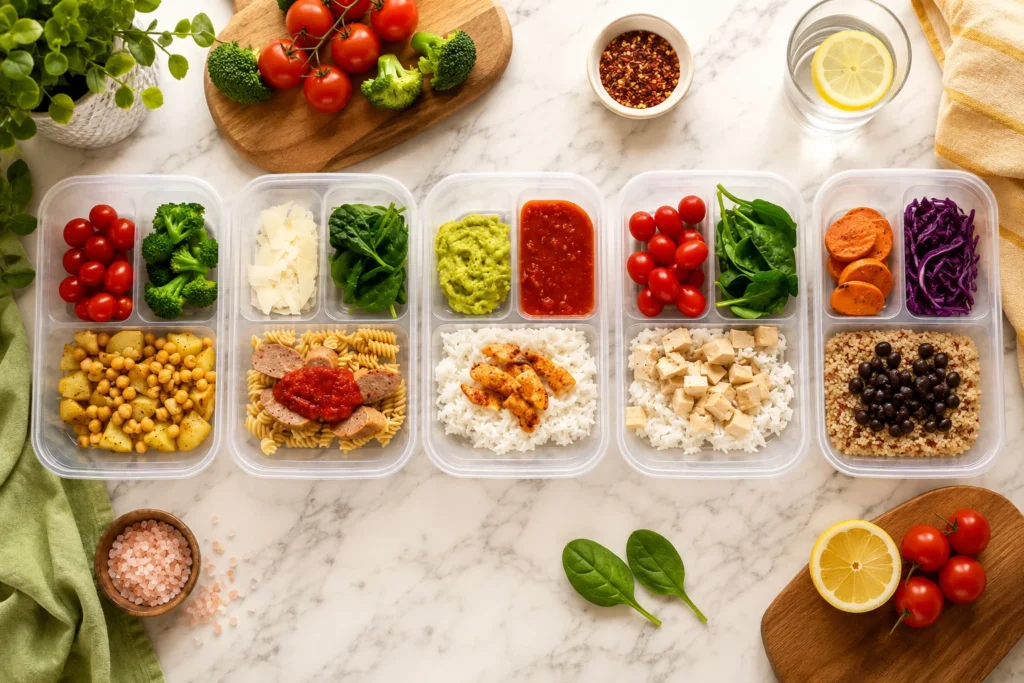
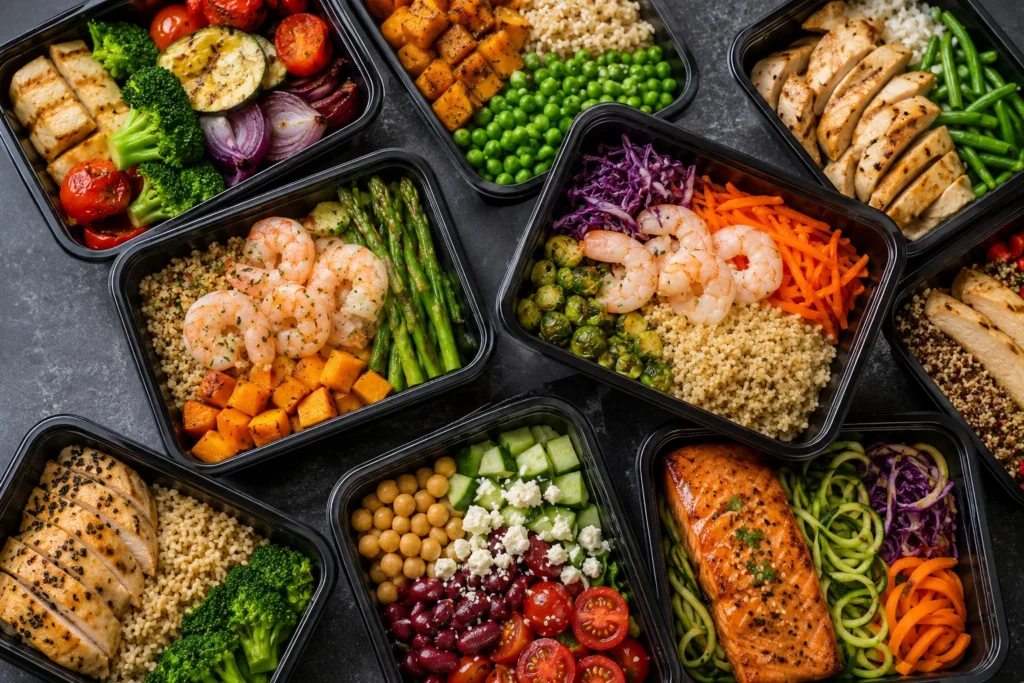
Cook a pot of rice or grains. Wash and cut vegetables. Make a big batch of beans. These components show up in multiple meals throughout the week and cut Wednesday dinner time from 45 minutes to 15.
How Much Should You Budget for Groceries?
A reasonable grocery budget for one person cooking at home is $150–$250/month. For two people, $250–$400. These numbers are achievable with consistent meal planning and shopping the sales.
If you’re currently spending significantly more than this, meal planning alone without changing what you eat typically reduces grocery spending by 20–30% in the first month.
The comparison: meal kit services like HelloFresh, EveryPlate, and Factor Meals offer convenience and pre-portioned ingredients, but even budget options like Dinnerly or EveryPlate run $4–$6 per serving minimum. Home Chef meals and similar services add up quickly for a family. For anyone focused on cutting food costs, cooking from a planned grocery list is consistently cheaper than any meal kit subscription often by 40–50% per serving.
The Cheapest Ingredients to Build Meals Around
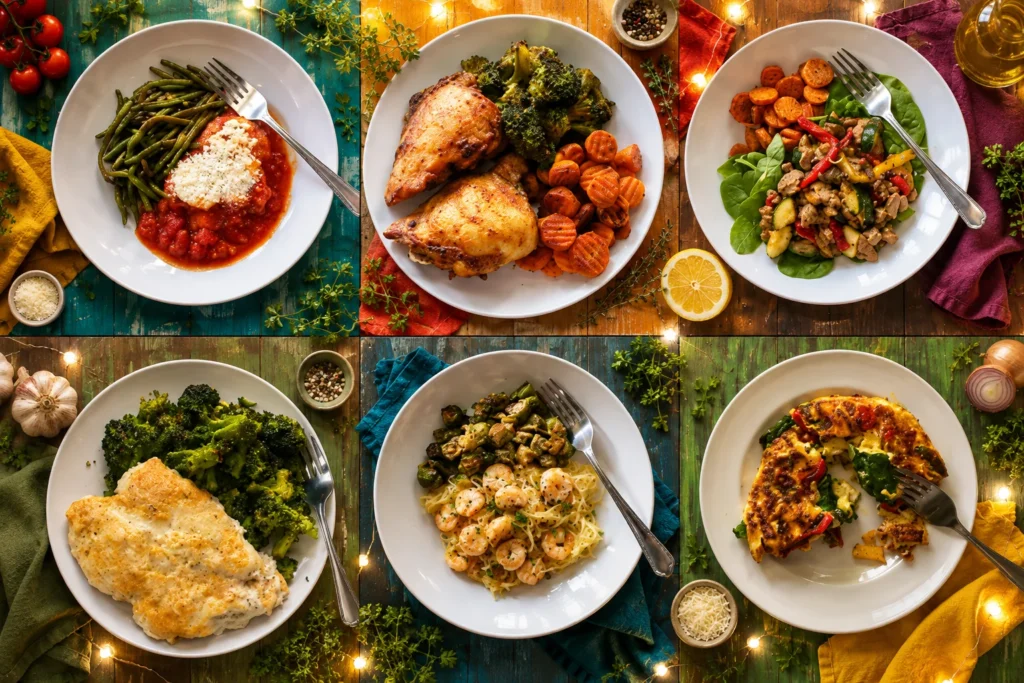
A budget meal plan relies on a core set of inexpensive, filling, versatile ingredients. Keep these stocked:
Proteins: Eggs, canned tuna, canned beans, lentils, chicken thighs (cheaper than breasts), ground turkey on sale
Grains and starches: Rice, oats, pasta, potatoes, sweet potatoes
Vegetables: Whatever is in season and on sale. Frozen vegetables are just as nutritious as fresh and significantly cheaper
Pantry staples: Canned tomatoes, broth, olive oil, basic spices, soy sauce, garlic
Meals built from these ingredients cost $1–$3 per serving. That’s the budget meal planning sweet spot.
Making It a Habit
The first meal plan takes the longest. The second is faster. By the third or fourth week, it takes 15 minutes and feels automatic.
The habit builds on itself: you know your family’s preferences, you know which meals are fastest, you know what sells for less at your store each week. What felt like work in week one becomes a quick routine.
The payoff isn’t just financial. When you know what’s for dinner every night, a low-grade background stress disappears. Dinner decisions are made once a week, not every evening in a tired moment when ordering takeout feels like the only option.
Final Thoughts
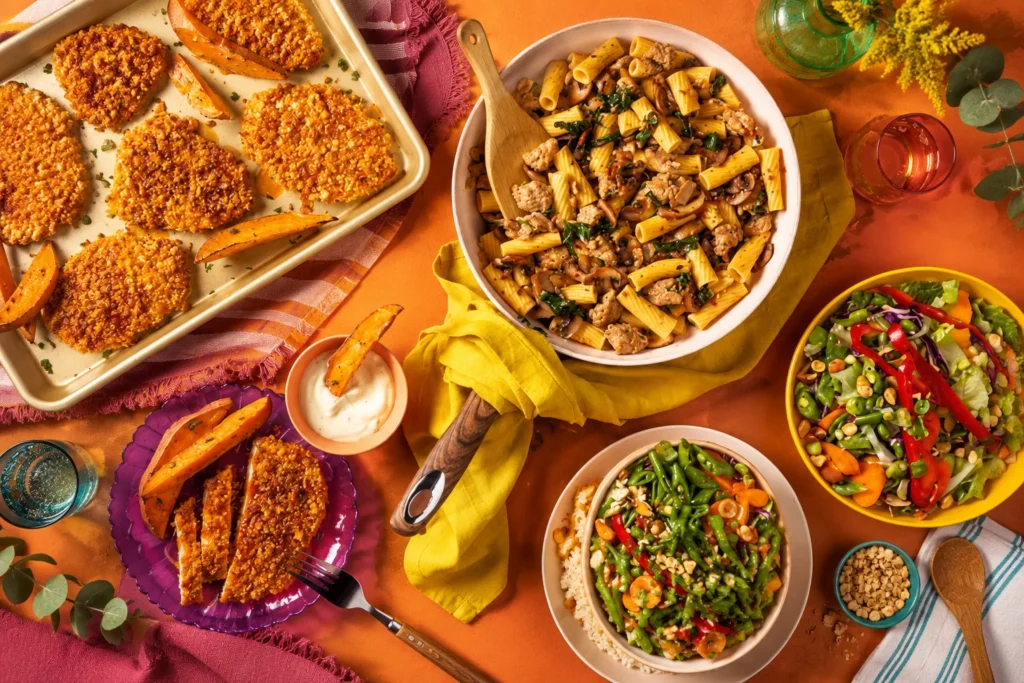
Budget meal planning isn’t about eating badly for less. It’s about eating intentionally knowing what you’re making, buying only what you need, and wasting almost nothing.
Start simple. Five meals. A grocery list. One Sunday prep session. That’s enough to see a real difference in your grocery bill by the end of the month.
For more ways to cut your food spending, my guide on how to save money fast on a tight budget covers grocery savings strategies alongside every other budget category.
And if you’re looking to build a complete monthly budget that includes your food spending, my guide on how to make a budget for beginners walks through the whole setup.