
Most articles about closed captioning jobs bury the most important detail at the bottom.
Several of the platforms everyone recommends? They require two to three years of experience before they’ll even look at your application. So beginners apply, get rejected, assume the field is too competitive, and give up when the real problem was just applying to the wrong places first.

Here’s an honest breakdown: what closed captioning actually involves, which platforms are genuinely beginner-friendly, and what you can realistically earn.
Closed Captioning vs. Transcription: The Difference That Matters
These two jobs are often grouped together and while they’re related, they’re not the same thing.
Transcription means listening to audio and typing what you hear into a plain text document. It’s the foundation. Interviews, podcasts, meetings, legal recordings transcription turns audio into readable text.
Closed captioning goes a step further. You’re not just typing what’s said you’re also timing the text to sync with the video, formatting it to fit on screen, and following broadcast-standard captioning rules. The text has to appear at the right moment, stay on screen long enough to read, and disappear before the next line.
This timing element is what separates closed captioning work from general transcription. It takes more practice but also commands higher pay.
If you’re completely new, transcription is the natural starting point it builds the speed and accuracy that closed captioning requires. But if you’re already a confident typist, jumping into video captioning jobs directly is absolutely possible.
Skills You Need to Get Hired

Typing speed. This is non-negotiable. Most platforms expect 60–75 words per minute as a baseline. Faster typists earn more per hour because they complete more work in less time. Test your speed on keybr.com or typingtest.com before applying anywhere.
Strong English. Not just spelling grammar, punctuation, and context. If someone says “affect” and you type “effect,” that’s an error that will get flagged.
Accuracy over speed. Platforms track your error rate. A fast but inaccurate captioner earns less than a slower but precise one. Most platforms require 98–99% accuracy to stay on.
Attention to detail in timing. For true closed captioning work not just transcription you need to understand how captions sync to video. This is learnable, and most platforms train you on their specific style guide once you’re approved.
What Does the Work Actually Pay?
Honest numbers, not inflated averages:
Platforms that pay per audio minute like Rev pay $0.45–$0.75 per minute of video. A 10-minute video earns you $4.50–$7.50. If you can process 4–5 videos per hour, that’s roughly $18–$37 per hour of actual work time.
Hourly-rate platforms pay $15–$30 per hour for entry-level closed captioning remote jobs. Experienced captioners with specialized niches legal, broadcast, academic earn $35–$75 per hour.
Monthly income for part-time closed captioning work (10–15 hours per week): $300–$800. Full-time: $1,500–$3,000 for most platforms, with higher potential as you specialize.
It’s a solid proofreading side job equivalent reliable supplementary income rather than a fast path to full-time replacement income for most beginners.
Platforms Ranked by Beginner Accessibility
Not all platforms are equal and this is the information most articles skip.
Actually beginner-friendly:
Rev the most accessible starting point for online closed captioning jobs. No prior experience required. You take a short grammar and transcription test, and if you pass, you get immediate access to available jobs. Pay is $0.45–$0.75 per caption minute. Work is available consistently and you choose your own hours. This is where most beginners should start.
Crowdsurf another entry-level platform with a 24-hour profile review process. You work on short audio and video files, get paid per task, and build speed quickly. Pay is lower than Rev but the volume of available work is high, making it good for building experience fast.
CastingWords assigns grades to captioners based on accuracy and quality. Start at a lower grade and pay, work your way up as your accuracy improves. Transparent system that rewards consistent quality.
Scribie focuses on audio transcription but the skills transfer directly. Pays per audio minute and has a clear grading system for quality. Good for building the foundation before moving to full video captioning.
Experience required (apply later, not now):
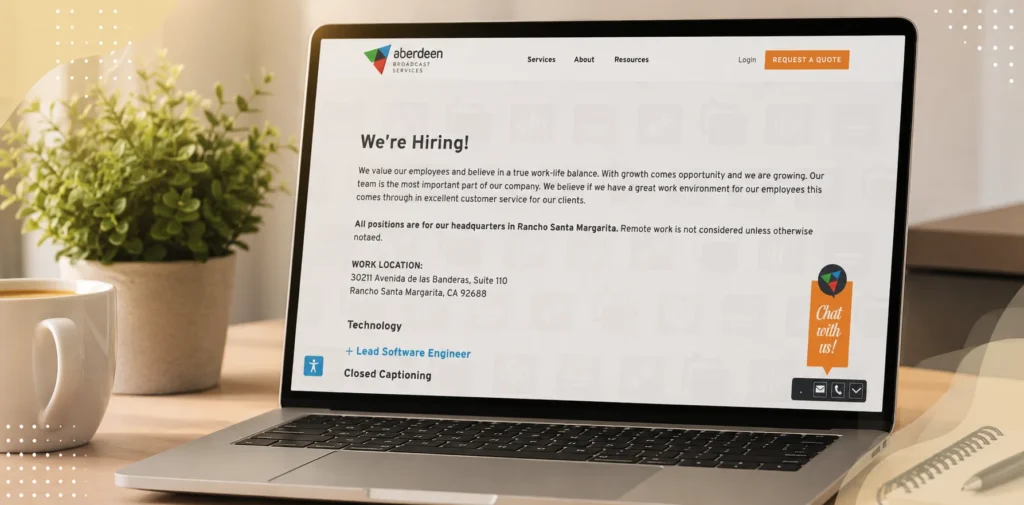
Aberdeen pays well ($75/hour) but requires captioning at 180–220 words per minute with years of experience. Not a beginner platform.
Vanan requires minimum three years of closed captioning experience. Skip until you have a track record.
Caption Media Group US residents only, two-plus years of experience minimum.
Captionmax strict vetting process, requires solid prior experience and some video editing knowledge.
These are legitimate platforms worth knowing about just not where you start.
How to Build Up to Better-Paying Work
The path from beginner to higher-paying closed captioning work is straightforward if you follow it consistently.
Start on Rev or Crowdsurf. Accept every job available. Focus on accuracy before speed. In your first few weeks, you are buying experience not trying to maximize hourly rate.
After 30–60 days of consistent work, your speed and accuracy will improve naturally. Track your words per minute monthly. When you hit 70+ WPM with 98%+ accuracy, apply to higher-paying platforms.
Once you have three to six months of work history, you can list your closed captioning experience on Upwork or your own profile and start pitching directly to YouTubers, course creators, and small businesses who need freelance closed captioning jobs. Direct clients pay more than platforms because there’s no middleman taking a cut.
Specializing in a niche legal proceedings, academic lectures, medical content opens up the highest-paying closed caption writer jobs. These clients value accuracy above everything else and pay accordingly.
What You Actually Need to Get Started
A laptop no need for anything expensive. Any machine that runs smoothly is sufficient.
A decent headset clarity matters when you’re parsing audio with background noise or accents. A $20–$40 USB headset is enough.
Captioning software Rev provides its own in-browser captioning tool. For other work, oTranscribe is free and handles most basic needs. Express Scribe is a professional option if you move into higher-level work.
That’s it. The barrier to entry for work from home closed captioning jobs is genuinely low. Most beginners spend more time researching than it would take to simply sign up and take the Rev qualification test.
Frequently Asked Questions
Do closed captioning jobs require a degree or certification?
For most platforms, no. Rev, Crowdsurf, and CastingWords hire based on your test results alone. Some higher-end broadcast companies prefer the Certified Realtime Captioner (CRC) credential from the NCRA, but this is not required to start earning.
How long does it take to get approved on Rev?
Typically 24–72 hours after submitting your application and test. Once approved, you can start claiming jobs immediately.
Can I do this as a side job alongside other work?
Yes. Closed captioning work is one of the most flexible remote subtitling jobs available. You choose which jobs to accept and when to work. Many captioners treat it as a consistent side income while building other freelance skills.
Is closed captioning the same as getting paid to write subtitles?
Mostly yes. Subtitles and closed captions refer to slightly different formats subtitles typically appear for dialogue only, while closed captions include sound descriptions like [applause] or [music playing]. Many platforms use the terms interchangeably, and the work is nearly identical.
What typing speed do I need to get paid to type subtitles professionally?
60 WPM is a workable starting point. 75+ WPM with high accuracy is where earnings become meaningful. 100+ WPM opens up the highest-paying platforms and direct clients.
The Realistic Picture
Closed caption transcription jobs are not a fast path to full-time income. But they’re one of the most accessible legitimate work from home jobs that require nothing but a laptop, a headset, and the willingness to practice.
The mistake most beginners make is applying to advanced platforms before they’re ready, getting rejected, and concluding the field is inaccessible. Start with Rev. Build speed and accuracy. The higher-paying work becomes available as you earn it.
For more remote income options worth starting from scratch, read our guide on work from home jobs with no experience and online proofreading jobs for beginners both pair naturally with captioning as part of a broader freelance income strategy.