
People hear “frugal living” and picture someone counting pennies, refusing to enjoy anything, and eating plain rice every night. That’s not what frugal living actually is.
Frugal living is about being intentional with your money. It’s about spending less on the things that don’t matter so you can afford the things that do. It’s the difference between letting money slip through your fingers and actually directing where it goes.

I didn’t grow up frugal. I learned it the hard way after a few years of overspending, barely saving, and wondering why I felt financially stuck despite working full time. The frugal living tips in this guide are the ones that actually changed things for me. Not the dramatic ones. Not the extreme ones that make life miserable. The quiet, consistent habits that add up to real money over time.
There are 50 of them here. You don’t need to do all 50. Start with five. Then add five more. That’s how frugal living actually works not overnight, but steadily.
What Does Frugal Living Really Mean?
Frugal living means making conscious choices about where your money goes. It doesn’t mean being cheap, depriving yourself, or never enjoying anything. It means knowing the difference between what you genuinely value and what you spend on out of habit, boredom, or social pressure.
The best definition I’ve ever heard: frugal is getting the most value from every dollar, not spending the fewest dollars possible. That distinction matters. A frugal person might spend more on quality shoes that last ten years and less on fast fashion they’ll throw away in six months. They’re not spending less overall they’re spending smarter.
If you’ve been curious about what living frugally actually looks like in practice, keep reading. These 50 frugal tips will show you.
Benefits of Frugal Living (Why It’s Worth It)

Before the tips, a quick word on why frugal living for beginners is worth the learning curve.
When you live frugally, you spend less money than you earn consistently. That gap between earning and spending is where savings happen, where debt gets paid off, and where financial breathing room is built. It also reduces money stress in a way that’s hard to describe until you’ve felt it. Knowing you have a buffer even a small one changes how you carry yourself through life.
People who live frugally and save money tend to reach financial goals faster, carry less debt, and feel more in control of their lives. That’s not a small thing. It’s the whole thing.
50 Frugal Living Tips for Beginners

Frugal Tips for Your Food Budget
1. Meal plan every week before you shop
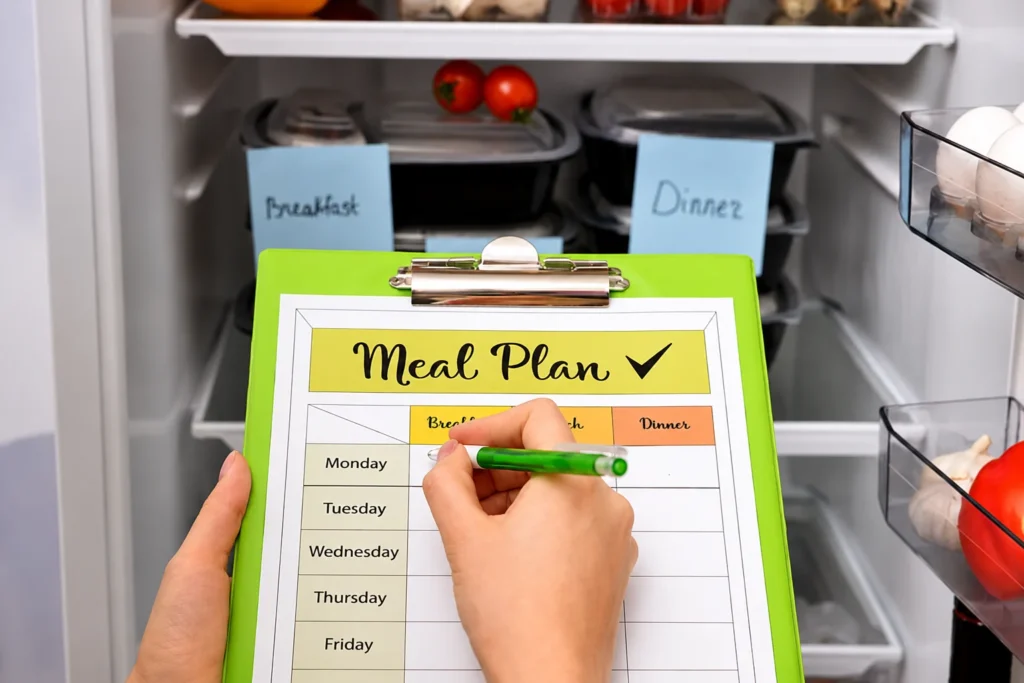
Deciding what you’ll eat before you set foot in a grocery store is one of the highest-leverage frugal habits you can build. It eliminates impulse purchases, reduces food waste, and means you only buy what you’ll actually use.
2. Shop with a list and never deviate from it
A list is your budget’s best friend at the grocery store. Everything on the list goes in the cart. Everything not on the list stays on the shelf. Simple and effective.
3. Buy store brands instead of name brands
For most grocery items canned goods, spices, cleaning supplies, medication the store brand is made in the same facility as the name brand. The only difference is the label and the price. Switching to generic on your regular shopping list can save $50–$100 a month.
4. Shop seasonally for produce

Fruits and vegetables cost significantly less when they’re in season. Strawberries in June are a fraction of the price they are in December. Build your meals around what’s in season and your grocery bill reflects it immediately.
5. Stop eating out as your default

Eating out occasionally is a normal part of life. Eating out because you didn’t plan, didn’t shop, or didn’t feel like cooking is where the money quietly disappears. Cooking at home the majority of the week is one of the biggest ways to be frugal and save money at the same time.
6. Make coffee at home
A daily $6 coffee habit is $180 a month and $2,160 a year. A bag of quality whole bean coffee at home costs $12–$15 and lasts two weeks. The math is not close.
7. Batch cook and freeze meals

Cooking large batches on the weekend and freezing portions means you always have a home-cooked meal available, even on the nights you’re tired and tempted to order delivery. It also reduces food waste significantly.
8. Use your freezer strategically
Bread about to go stale? Freeze it. Meat on sale? Buy extra and freeze it. Bananas going brown? Freeze them for smoothies. Your freezer is one of the most powerful frugal tools in your kitchen and most people underuse it.
9. Avoid pre-cut and pre-packaged produce
Pre-washed salad greens, pre-sliced fruit, and pre-cut vegetables are convenience products that cost 30–60% more than whole produce. Spending five minutes washing and cutting your own saves real money over time.
10. Don’t shop hungry
Shopping hungry leads to impulse purchases that weren’t on the list, weren’t in the budget, and often don’t even get eaten. Eat before you shop. It’s one of the oldest frugal tips and still one of the most effective.
Frugal Living Tips for Your Bills and Expenses
11. Audit your subscriptions every quarter
Most people are paying for 3–7 subscriptions they’ve forgotten about or rarely use. Set a quarterly reminder to go through your bank statements and cancel anything you haven’t actively used in the past 30 days.
12. Negotiate your bills

Your internet, phone, and insurance bills are more negotiable than most people realize. Call your provider, mention you’re considering switching, and ask what they can do. Many companies have retention offers they only share when you ask. I knocked $40 off my internet bill with one phone call.
13. Switch to a no-fee bank account
Monthly maintenance fees, overdraft fees, and out-of-network ATM fees add up to hundreds of dollars a year for people who aren’t paying attention. Switch to a credit union or an online bank that charges nothing and pays you interest instead.
14. Lower your utility bills with small changes
Turn off lights when you leave a room. Unplug devices not in use. Wash clothes in cold water. Lower the thermostat by two degrees in winter. None of these feel significant alone — together they can reduce your electric bill by $20–$50 a month.
15. Review your insurance policies annually
Car insurance, renters insurance, and health insurance premiums change every year. Spend an hour shopping around for better rates annually. Most people who do this find meaningful savings without sacrificing coverage.
16. Cut cable and use free alternatives

Cable costs $80–$150 a month on average. A combination of one streaming service, free library streaming (Kanopy, Hoopla), and free ad-supported platforms (Pluto TV, Tubi) covers most viewing needs for a fraction of the cost.
17. Use the library
Books, audiobooks, magazines, movies, e-books, courses your public library offers most of this for free with a card. The Libby and Hoopla apps give you access from your phone. Living frugally in retirement especially benefits from maximizing library resources.
18. Bundle services when it makes sense
Internet, phone, and streaming bundles sometimes cost less than purchasing separately. Run the numbers once a year to make sure you’re on the best plan companies regularly introduce better deals for new customers that existing customers can request too.
Frugal Ways to Save Money on Shopping
19. Wait 48 hours before any non-essential purchase

The 48-hour rule is simple: if you want something that wasn’t on your list, wait two days before buying it. Most impulse urges fade completely. The ones that don’t are usually things worth buying.
20. Buy secondhand first

Thrift stores, Facebook Marketplace, eBay, Poshmark, and local buy-nothing groups are full of quality items at a fraction of retail cost. For furniture, clothing, books, kids’ items, and kitchen equipment, secondhand should always be the first search.
21. Use cash back apps and browser extensions
Rakuten, Ibotta, and Honey automatically find coupons and cash back opportunities when you shop online. They take seconds to set up and require no effort to use. There’s no reason not to have them.
22. Buy quality items that last
This is a counterintuitive frugal tip: sometimes spending more upfront saves more in the long run. A $120 pair of well-made shoes that lasts five years costs less than three pairs of $45 shoes that wear out in eighteen months each. Buy cheap, buy twice.
23. Avoid “sale” traps
Something is only a deal if you were already going to buy it. A 40% discount on something you don’t need is still money spent. Frugal living means being honest about whether you need something — not whether it’s on sale.
24. Use a shopping list app to track prices
Apps like Flipp and Grocery Pal track weekly sales at stores near you. Planning your grocery trip around what’s already on sale reduces your bill without extra effort.
25. Borrow before you buy
Before purchasing something you’ll use once or twice a tool, a specialized kitchen gadget, a piece of party equipment ask if someone you know has one you can borrow. Living frugally is easier in community than in isolation.
Frugal Living Tips for Your Home
26. Do basic home maintenance yourself

YouTube has tutorials for almost every basic home repair and maintenance task: unclogging drains, patching drywall, replacing light fixtures, caulking windows. Learning to handle small repairs saves hundreds in service calls over time.
27. Declutter and sell what you’re not using
Every year, go through your home and identify what you haven’t used in 12 months. Sell it on Facebook Marketplace, eBay, or Poshmark. You make money, free up space, and stop maintaining things that no longer serve you.
28. Lower your water usage
Shorter showers, full loads in the dishwasher and washing machine, and fixing dripping faucets all reduce your water bill. A dripping faucet wastes up to 3,000 gallons a year, and you’re paying for every drop.
29. Make your own cleaning products
A bottle of white vinegar and baking soda handles most household cleaning tasks. DIY cleaning products cost pennies compared to branded alternatives and work just as well for everyday use.
30. Renegotiate your rent
If you’ve been a reliable tenant for more than a year, you have more leverage than you think. Ask your landlord about rate stability or a small reduction in exchange for signing a longer lease. The worst they can say is no.
Frugal Money Habits That Build Over Time
31. Pay yourself first, automatically

Set up an automatic transfer to savings the day after your paycheck lands. Even $25 a paycheck builds $650 a year, and it happens without willpower or remembering. Automation is the most underrated frugal money habit.
32. Use a budget and actually look at it
A budget is only useful if you check it. Spending five minutes each week reviewing where your money went keeps you on track and catches overspending before it becomes a pattern. If you’re new to budgeting, my guide on how to make a budget for beginners walks through exactly how to set one up step by step.
33. Build an emergency fund before anything else
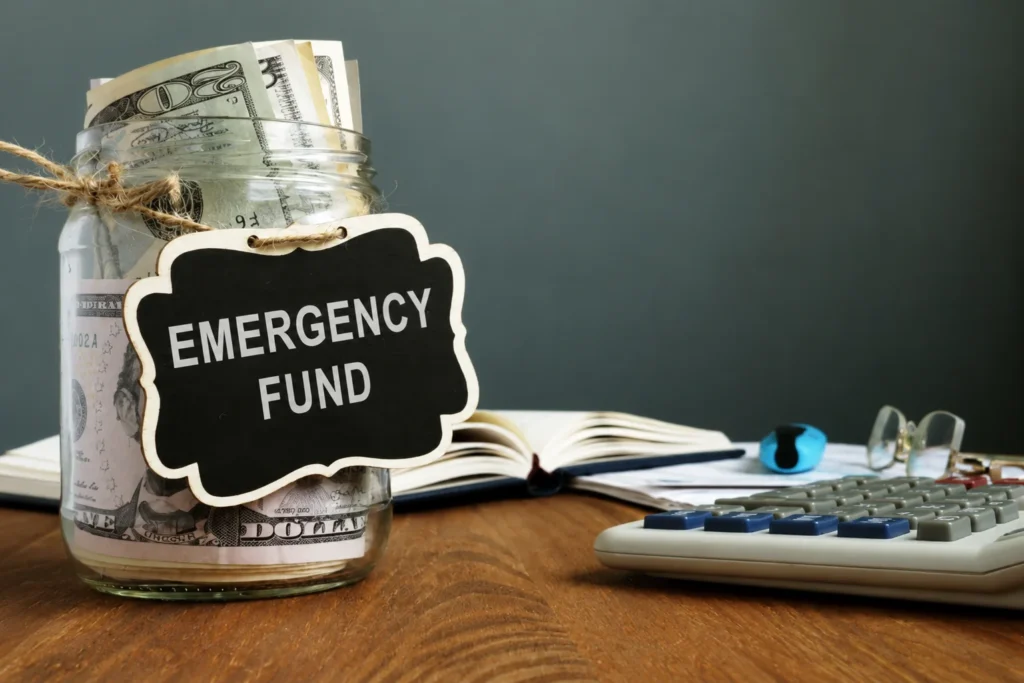
An emergency fund is what keeps one unexpected expense from turning into debt. Start with $500, then build to one month of expenses, then three months. Once you have this buffer, you stop spending money on emergencies that derail your budget.
34. Use the cash envelope method for overspending categories
If you consistently overspend on groceries, dining out, or clothing, try using cash for those categories. When the envelope is empty, spending stops. The physical limitation works in a way that digital spending doesn’t.
35. Track every dollar for one month
Tracking all spending for a single month every coffee, every online purchase, every small thing shows you exactly where your money goes. Most people find at least one category that surprises them. That surprise is usually where the savings are hiding.
36. Open a high-yield savings account
If your savings are sitting in a standard checking account earning almost nothing, move them to a high-yield savings account. Many online banks currently offer 4–5% APY. Your money grows while you sleep, which is the most effortless frugal win available.
37. Set specific savings goals

Saving “to save money” is vague. Saving for a three-month emergency fund, a vacation, or a down payment on a house is specific. Specific goals are easier to stay motivated for because you can see progress building toward something real.
Frugal Living Tips for Everyday Life
38. Walk or bike for short trips
For errands under two miles, walking or biking instead of driving saves gas, parking costs, and wear on your vehicle. It also happens to be good for your health a rare frugal tip with a side benefit.
39. Carpool or combine errands
Grouping all your errands into one trip instead of multiple separate ones cuts gas consumption significantly. Carpooling with a neighbor or coworker to shared destinations cuts it further.
40. Take advantage of free entertainment

Free concerts, community events, museum free days, hiking trails, public parks, and library programs are all available to most people they just require looking for them. Frugal ways to save money include simply using what’s already available and free.
41. Gift experiences instead of things
For birthdays and holidays, experiences like a dinner out together, a hiking trip, or a class or workshop are often more memorable than physical gifts and frequently less expensive. They also don’t create clutter.
42. Practice a no-spend weekend once a month
One no-spend weekend per month, where you commit to spending only on genuine necessities, resets your spending habits and challenges you to find free ways to enjoy your time. Most people who try it find it more enjoyable than expected.
43. Quit or reduce habits that cost money
Smoking, excessive alcohol, fast food as a daily habit these are expensive lifestyle choices that compound over years. Reducing or eliminating them saves money and usually improves health simultaneously. Two benefits for one change.
44. Learn basic skills instead of outsourcing

Cooking, sewing basic repairs, basic car maintenance, haircuts for kids every skill you develop is money you don’t have to pay someone else. Start with one thing that comes up regularly in your life.
45. Use your employee benefits fully
Most people don’t fully use their employer’s benefits FSA accounts, wellness reimbursements, tuition assistance, or discount programs. These are part of your compensation. Leaving them unused is leaving money on the table.
Frugal Living Tips for the Long Game
46. Live below your means consistently
This is the foundation of everything on this list. Frugal living in its simplest form is spending less than you earn consistently, month after month. The gap you create is what builds savings, pays off debt, and funds your future.
47. Avoid lifestyle inflation
When your income goes up, the temptation is to upgrade your lifestyle proportionally. Frugal living means resisting that temptation at least partially and directing income increases toward savings and financial goals instead of bigger expenses.
48. Find a community of like-minded people
Spending habits are contagious. If everyone around you spends freely, it becomes harder to stay frugal. Finding even one friend or online community (the FIRE community, frugal living blogs, savings challenge groups) makes frugal living feel normal instead of countercultural.
49. Review your finances every quarter

A quarterly financial check-in reviewing your budget, checking your savings progress, and adjusting anything that isn’t working keeps you on track without turning money management into a daily chore. Set a reminder and make it a non-negotiable appointment with yourself.
50. Remember why you’re doing this
Frugal living is a means to an end, not a personality type. You’re doing this so you can eventually afford financial freedom fewer money worries, more choices, less stress. Keep that goal visible. Write it down. Look at it when the frugal life feels tedious. The sacrifice now is building the life you actually want.
How to Start Living Frugally (Without Overwhelming Yourself)
The biggest mistake beginners make with frugal living is trying to implement everything at once. They overhaul their entire lifestyle in week one and burn out by week three.
A better approach: pick five tips from this list that feel immediately doable and focus on those for 30 days. Once they’re habits, add five more. Most people who stick with frugal living long enough to see results don’t feel deprived they feel free.
The fastest way to find extra savings is to start with your bills (tips 11–18) and your food budget (tips 1–10). These two categories hold the most opportunity for most households and produce results quickly enough to keep you motivated.
If you want to accelerate your savings even further, combining frugal living with finding extra income makes the biggest difference. My guide on how to make extra money from home covers 18 realistic ways to start, most of which require no upfront investment.
Final Thoughts on Frugal Living Tips

Frugal living is not about suffering through your days counting every dollar. It’s about making your money work intentionally so your life can eventually work the way you want it to.
These 50 frugal living tips are not extreme. They’re not a lifestyle overhaul. They’re small decisions made consistently over time that add up to real savings, real breathing room, and real financial options.
Start with one. Then another. The momentum builds faster than you think.