
Living below your means has a reputation problem.
Most people hear it and picture deprivation no dining out, no vacations, no fun, no spontaneity. A joyless existence where every dollar is squeezed and every pleasure is denied. That image is why most people never try it.
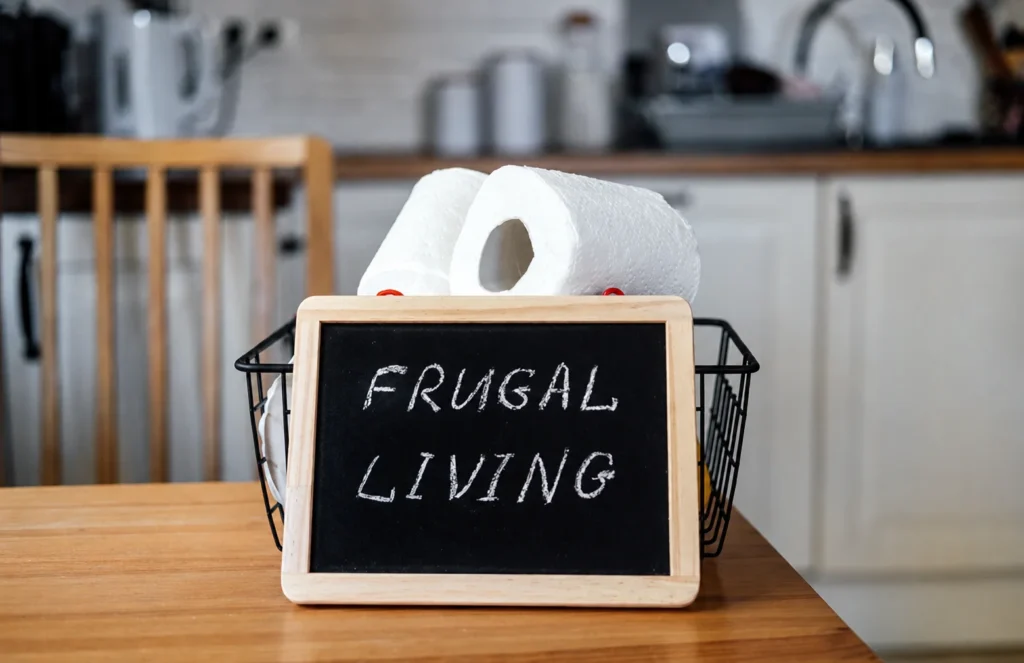
Here’s the reality: the people who actually live below their means tend to enjoy their money more than people who don’t. Not less. They spend intentionally on what genuinely matters to them, they have financial breathing room that eliminates constant money stress, and they make choices from a position of stability rather than scrambling.
Living below your means isn’t about spending nothing. It’s about spending differently in a way that actually reflects your values rather than your habits, social pressure, or impulse.
What Does It Mean to Live Below Your Means?
Living below your means simply means spending less money than you earn consistently, month after month.
The gap between what you earn and what you spend is where everything good in personal finance happens. That gap becomes your emergency fund, your debt payoff, your savings, your future options.
Most people spend at or above their income because lifestyle expands to fill whatever money is available. Living below your means requires deliberately choosing not to let that happen and finding genuine satisfaction in the life that remains.
Why Most People Live At or Above Their Means

Understanding why this happens makes it easier to do something different.
Lifestyle inflation Every time income goes up, spending goes up with it. A raise becomes a nicer apartment. A promotion becomes a newer car. Income grows, but the gap between income and expenses never does.
Social comparison We unconsciously calibrate our spending to match the people around us. When your friends spend money on dinners and holidays and new things, not spending the same amount feels uncomfortable even when your financial situation is completely different from theirs.
Wasteful spending on autopilot A significant portion of most people’s spending isn’t conscious. Subscriptions they forgot about. Upgrades they don’t need. Purchases driven by boredom or habit rather than genuine desire. This kind of wasteful spending quietly drains budgets without producing any enjoyment.
Short-term thinking Money available now feels more real than financial security later. Spending feels immediate. Saving feels abstract. Living below your means requires thinking slightly further ahead than feels natural.
How to Live Below Your Means Without Feeling Deprived
1. Know Exactly What You Actually Value
The foundation of living below your means while still enjoying life is honesty about what actually makes you happy not what you’ve been told should make you happy.
Most people, when they genuinely reflect on it, find that their happiest moments involve experiences, connection, and things they chose deliberately not the purchases they made impulsively or because someone else seemed to want them.

Make a short list of the things you spend money on that genuinely improve your quality of life. Protect those. Cut ruthlessly from everything else. This is the opposite of cutting everything equally it’s intentional prioritization that keeps what matters and removes what doesn’t.
2. Calculate Your Real Gap
Take your monthly take-home income and subtract everything you currently spend. The difference is your gap positive means you’re living below your means, negative means you’re not.
Most people have never done this calculation clearly. They have a vague sense of whether they’re saving or not but no concrete number. Knowing your actual gap changes how you think about every spending decision because you can see exactly what it costs.
If your gap is currently zero or negative, you don’t need to eliminate joy from your life. You need to close the gap even by $100 or $200 a month and build from there.
3. Eliminate Wasteful Spending First
Before cutting anything that brings genuine enjoyment, go through your spending and identify the money that’s leaving your account without producing any satisfaction at all.
Forgotten subscriptions. Convenience purchases that don’t actually save time. Food that gets thrown away. Impulse buys you never used. Upgrades you paid for and never noticed. This is wasteful spending money you spent without thinking that didn’t improve your life in any meaningful way.
Most people find $50–$200 a month in this category when they look honestly. Eliminating it costs nothing in terms of enjoyment and that money goes directly to widening your gap.
4. Reduce Fixed Costs Deliberately

Monthly fixed expenses are where the biggest leverage lives because a reduction happens automatically every month without ongoing effort.
Rent is the largest. If you’re spending more than 30% of take-home income on housing, that single factor makes living below your means significantly harder. A smaller apartment, a different neighborhood, or a roommate makes everything else easier.
Other fixed costs worth reviewing: insurance premiums, phone plans, car expenses, subscription services. Negotiate what you can. Cancel what you don’t use. Switch to cheaper alternatives where the quality difference doesn’t actually matter to you.
5. Spend Intentionally on What You Love
This is the part most financial advice gets wrong. Living below your means doesn’t mean spending nothing on enjoyment it means spending money on the things that genuinely bring you joy and eliminating spending on the things that don’t.
If travel matters deeply to you save for it and go. If good food is a genuine source of pleasure cook at home well and eat out occasionally at places you actually love. If experiences with people you care about are what make your life feel rich prioritize those and cut back on things and purchases.
The goal isn’t to spend as little money as possible on your life. The goal is to spend money on your actual life not on a performed version of it, not on keeping up with anyone else’s spending, not on autopilot purchases that don’t register as enjoyable even as they’re happening.
6. Build an Emergency Fund That Eliminates Money Anxiety
A significant portion of the stress people feel around money comes not from how much they earn but from how little buffer they have. One unexpected expense car repair, a medical bill, a broken appliance hits their bank account and puts them behind for months.
Living below your means becomes significantly easier once you have a financial buffer. The emergency fund eliminates the anxiety that causes people to feel they have to enjoy money right now because it might be needed for something else tomorrow.
Start with $500. Build to $1,000. Work toward three months of expenses. Each milestone reduces money stress in a way that makes intentional spending feel much more comfortable.
7. Automate the Gap
The most reliable way to maintain the habit of living below your means is to make it automatic not a daily decision.
Set up an automatic transfer to savings on the day your paycheck arrives. Decide the gap amount in advance, move it before you see it, and live on what remains. This turns living below your means from a continuous willpower exercise into a structural reality.
The transfer happens whether you think about it or not. Your lifestyle adapts to the remaining income. And the gap accumulates in a savings account doing real work.
8. Find Free and Low-Cost Versions of What You Enjoy
Part of living below your means without deprivation is discovering that most things you enjoy have free or significantly cheaper versions that are almost as good.
Library books instead of purchased books. Hiking instead of a gym membership. Home-cooked meals from good ingredients instead of expensive restaurants. Free community events instead of paid entertainment. Streaming one service instead of four.
None of these feel like sacrifice when they’re replacing spending that wasn’t producing much genuine enjoyment anyway. They become sacrifice only when you’re giving up something that actually mattered to you and that’s usually where you should protect your spending, not cut it.
9. Resist Lifestyle Inflation When Income Rises
The most reliable way to grow the gap between income and spending over time is to resist the automatic urge to upgrade your lifestyle every time income increases.
When you get a raise, the raise goes to savings or debt payoff not to a bigger apartment or a newer car. When a side hustle starts generating income, that money widens the gap rather than expanding expenses.
This doesn’t mean never improving your life. It means being deliberate about which improvements you choose and resisting the assumption that more income automatically justifies proportionally more spending.
10. Track Your Spending Without Judgment

Living below your means is a practice, not a one-time decision. It requires ongoing awareness of where money is actually going versus where you intended it to go.
A monthly review of your spending even a 15-minute scan of your bank statement shows you the reality. Some categories will surprise you. Some months will be harder than others. The review isn’t for self-criticism it’s for course-correction.
People who live below their means consistently aren’t people who never overspend. They’re people who notice when they have, adjust the following month, and keep the general direction intact.
What Living Below Your Means Actually Feels Like
The first few months of deliberately living below your means often feel uncomfortable, not because of the spending changes, but because of the mental adjustment of making conscious decisions where automatic ones used to be.
After about three months, something shifts. The decisions become normal. The gap starts showing up as an actual number in a savings account, which changes how concrete and motivating the habit feels. The financial anxiety that most people carry quietly the low-level stress of living close to the edge starts to lift.

By six months, most people report that they don’t feel deprived at all. They’ve found the spending that genuinely matters to them and protected it. They’ve cut the rest, and they don’t miss it.
That’s the version of living below your means that actually sticks not white-knuckled deprivation, but a calmer, more intentional relationship with money that happens to cost less than the old one.
The Connection Between Living Below Your Means and Financial Freedom
The gap you create by living below your means is not just a savings number. It’s options the ability to handle an emergency without debt, to quit a job that’s making you miserable, to take an opportunity that requires some financial flexibility.
Financial freedom doesn’t require a huge income. It requires a consistent gap between what you earn and what you spend maintained long enough that the accumulated difference becomes real leverage over your own life.
Living below your means is how you build that gap. One month at a time, one deliberate decision at a time.
For practical ways to reduce spending without reducing enjoyment, my guide on 50 frugal living tips that add up to real savings gives you specific, actionable cuts that most people don’t even notice.
And if you’re building savings through the gap you create, the how to save $10,000 in a year guide shows you what that gap can realistically accumulate to over twelve consistent months.
For the budget framework that makes living below your means automatic, my how to make a budget for beginners guide walks through the setup step by step.