
Everyone talks about side hustles like they all mean the same thing a laptop, a freelance platform, a slow climb to $500 a month.
That’s not the reality for skilled tradespeople. A blue collar side hustle often pays more per hour than freelance writing, virtual assistant work, or social media management combined because physical skills that took years to develop are genuinely scarce, and homeowners and businesses pay accordingly.

Here’s what actually works, and what it actually pays.
Why Blue Collar Side Hustles Often Out-Earn White Collar Ones
The freelance economy is saturated with writers, designers, and virtual assistants. The market for someone who can fix a leaking pipe at 7 PM on a Tuesday is not.
Skilled trade work has a structural advantage: it can’t be outsourced overseas, it can’t be replaced by AI, and the supply of people willing to do physical work is shrinking while demand stays constant or grows. That imbalance is exactly why a best blue collar side hustle routinely pays $50–$150 per hour for work that took years to learn rates that most online side hustles take a long time to reach, if they ever do.
Trade-Based Side Hustles (Highest Hourly Pay)
These require existing trade skill or certification but the payoff per hour is the highest on this list.
Electrical work
Licensed electricians doing weekend side work command $75–$150 per hour. Even apprentice-level electricians assisting on residential jobs earn $30–$50 per hour while building toward full licensure. Demand consistently outpaces supply in residential markets homeowners wait weeks for an available electrician through normal channels and will pay a premium for someone available sooner.
Plumbing
Plumbing side work follows the same pattern $75–$150 per hour for licensed plumbers, with emergency and after-hours calls commanding even more. A blue collar side hustle in plumbing is one of the most recession-resistant options available because pipes break regardless of the economy.
HVAC repair and maintenance
Seasonal demand spikes (summer AC failures, winter heating issues) create predictable high-earning windows. HVAC technicians doing side work charge $60–$120 per hour. Maintenance contracts with small businesses or property managers create recurring income beyond one-off repairs.
Carpentry and finish work
Custom shelving, deck building, trim work, and furniture repair. Skilled carpenters charge $40–$90 per hour for side projects. Material and equipment costs are real considerations equipment financing for startups becomes relevant once a side carpentry hustle scales into a regular business with larger tool and material investments.
Mechanical and Automotive Side Hustles
Auto repair
Mechanics doing driveway repairs oil changes, brake jobs, diagnostics save customers significant money over shop rates while still earning $40–$80 per hour. Marketing through local Facebook groups and word of mouth builds a steady client base quickly in most communities.
Small engine repair
Lawnmowers, generators, chainsaws, ATVs. A narrower niche with less competition than general auto repair. $30–$60 per hour, often paid per job rather than hourly. Seasonal peaks align with spring lawn equipment startup and fall generator maintenance.
Welding services
Custom metalwork, repairs, fabrication. Welders with their own equipment charge $50–$100 per hour for side projects ranging from gate repairs to custom fabrication work for other tradespeople and small businesses.
Construction and Home Improvement Side Hustles
General handyman work
The most accessible entry point for blue collar side hustles. Drywall repair, painting, minor plumbing and electrical, furniture assembly, fixture installation. $40–$80 per hour. TaskRabbit and Thumbtack generate consistent lead flow for handymen building an initial client base.
Pressure washing
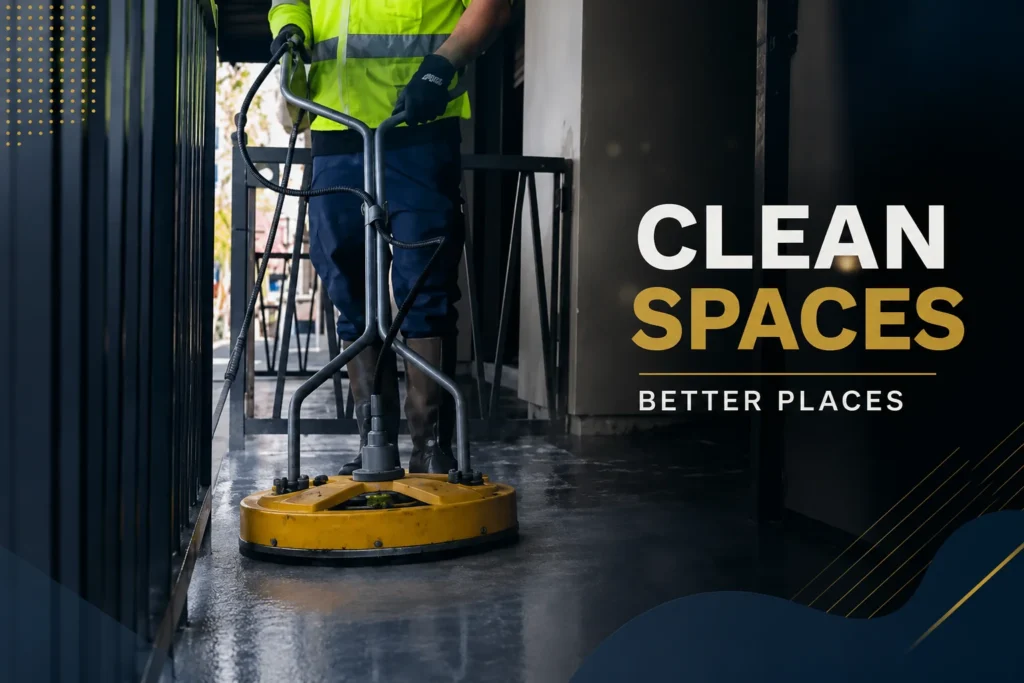
Low equipment cost to start, high demand, and minimal competition relative to other home services. Driveways, decks, siding, fences. $100–$300 per job, often completed in one to two hours. One of the best blue collar side hustles for someone starting with limited capital.
Painting
Interior and exterior residential painting. $35–$65 per hour or charged per room/project. Demand is consistent and the skill barrier is lower than trades requiring licensure making it accessible while still paying well above minimum wage.

Landscaping and lawn care
Mowing, mulching, seasonal cleanup, hardscaping. Recurring weekly clients generate predictable income $30–$60 per property visit, with three to five regular clients per weekend generating $400–$800 consistently.
Specialized Skilled Trade Side Hustles
Welcoming and fence installation
Fence building and repair is consistently in demand and pays $50–$100 per hour for skilled installers. Material costs are typically passed to the client, keeping margins favorable for the tradesperson.
Appliance repair
Washers, dryers, refrigerators, dishwashers. Technicians with diagnostic knowledge charge $60–$100 per service call. Lower competition than general handyman work because the technical knowledge barrier is higher.
Locksmith services
Requires specific training and sometimes licensing depending on location, but emergency lockout services command premium rates $75–$150 per call, often higher for after-hours emergencies.
Roofing repair
Smaller roofing jobs and repairs (as opposed to full roof replacement, which typically requires a larger crew and insurance) pay $50–$100 per hour for experienced roofers doing side work.
Turning a Blue Collar Side Hustle Into a Real Business
This is the step most guides skip and it’s where the highest earners on this list end up.
A side hustle that generates consistent monthly income starts raising practical questions: do you need a business entity, separate banking, proper bookkeeping, and eventually financing for bigger equipment or a vehicle.
Forming an LLC separates personal and business liability genuinely important in trade work where on-the-job accidents or property damage claims are a real risk. Comparing the best LLC formation services before choosing one matters because pricing and included features (registered agent service, compliance reminders) vary significantly between providers.
Separate business banking keeps trade income organized for tax purposes and makes it dramatically easier to track profitability by job type. A dedicated business bank account for freelancers and tradespeople prevents the mixing of personal and business funds that creates headaches every tax season.
Bookkeeping software like QuickBooks Self-Employed tracks mileage, materials, and income automatically turning what used to be a shoebox of receipts into organized, deduction-ready records. This matters enormously at tax time because self employed tax deductions for tradespeople are substantial: tools, vehicle mileage, materials, a home office for the business side of operations, and continuing education or certification costs are all typically deductible.
Invoicing software for freelancers professionalizes a side hustle that’s outgrown handwritten receipts sending clean digital invoices, tracking payment status, and maintaining a professional appearance that supports charging premium rates.

Equipment financing becomes relevant once a side hustle’s growth is limited by tool capacity rather than demand. A carpenter who could take on twice the work with a second set of equipment, or a pressure washing business ready to add a second rig, often finds that startup business loans or equipment-specific financing options pay for themselves within a few months of expanded capacity.
What to Charge: Avoiding the Most Common Pricing Mistake
Tradespeople doing side work consistently undercharge relative to licensed shop or contractor rates usually because they’re comparing their side hustle price to their day-job hourly wage rather than to market rates for independent service.
A reasonable starting point: price side work at 60–80% of what a licensed shop or contracting company would charge for the same job. This still significantly beats your hourly employment wage while remaining competitively attractive to customers who are paying out of pocket rather than through insurance or a managed service contract.
As demand grows and reviews accumulate, move toward full market rate. The tradespeople earning the most from blue collar side hustles aren’t necessarily the most skilled they’re the ones who priced their time correctly from the start.
Frequently Asked Questions
What is the best blue collar side hustle for someone with no trade certification?
Handyman work, pressure washing, painting, and lawn care require no licensure in most areas and can start with minimal equipment investment. These are the most accessible entry points while still paying significantly more than typical entry-level online side hustles.
Do I need insurance for a blue collar side hustle?
For most trade and home service side hustles, general liability insurance is worth the cost it’s relatively inexpensive and protects against the genuine risk of property damage claims. As the side hustle grows into a more formal business, forming an LLC adds an additional layer of personal liability protection.
How much can a blue collar side hustle realistically earn?
Entry-level options (handyman, lawn care, pressure washing) generate $300–$800 per weekend with consistent client booking. Licensed trade side work (electrical, plumbing, HVAC) routinely earns $1,000–$3,000 per month working part-time hours, given the significantly higher hourly rate.
When should a blue collar side hustle become a registered business?
Once income becomes consistent month over month typically the point where forming an LLC, opening separate business banking, and using dedicated bookkeeping software starts saving more in tax deductions and liability protection than the setup cost and effort require.
For more on building income from skilled trades, read our guide on best side hustles from home that pay well and how to make extra money with realistic, fast-paying options.