
A $20 dress that fits perfectly will always look better than a $200 dress that doesn’t. This is the core principle behind every frugal chic outfit and it’s one that most people know intellectually but don’t act on consistently because the beauty industry, fashion industry, and social media all profit from the opposite belief.
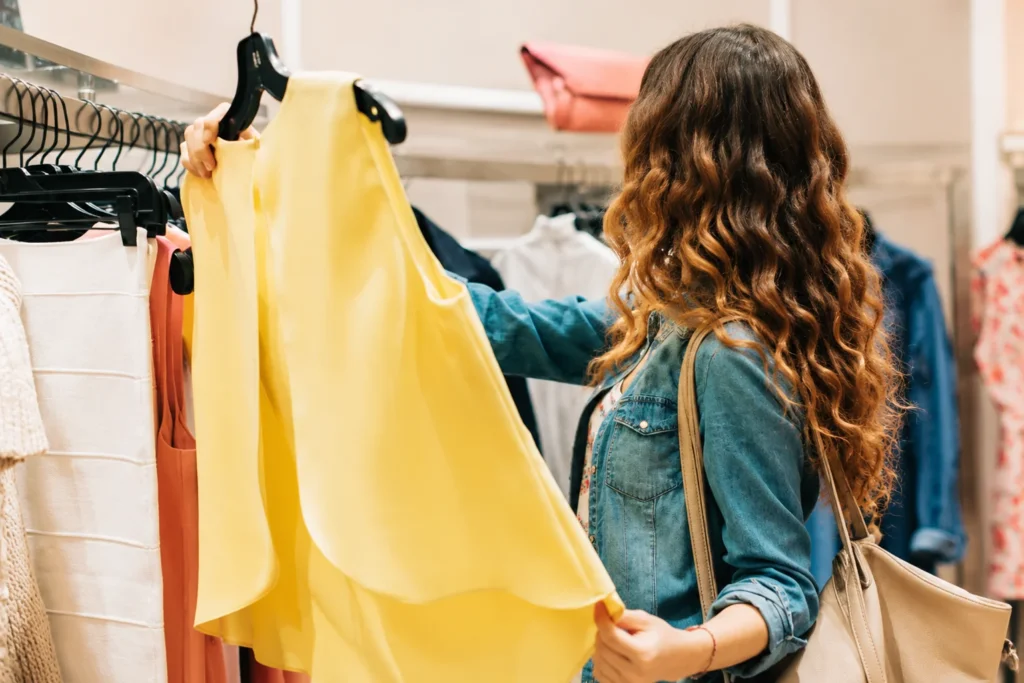
The frugal chic outfit isn’t about the price of individual pieces. It’s about understanding the handful of principles that make any outfit read as polished, intentional, and expensive and applying them systematically whether you’re wearing thrift store finds or discount retailer basics.
The Four Principles That Make Any Outfit Look Expensive
These principles work on any budget. They cost nothing to apply. And they’re what professional stylists use when putting together looks for clients who want to look expensive without being expensive.
Principle 1: Fit is everything
The most important visual factor in whether an outfit reads as expensive is fit. A well-fitting garment in a neutral color from a budget retailer looks more polished than an expensive piece that doesn’t fit correctly.
<cite index=”46″>A perfectly tailored $40 blazer will always look better than a $400 one that fits poorly.</cite> This is not wishful thinking it’s a styling truth that professional dressers apply consistently. Clothes should skim the body without clinging. Shoulders should sit correctly. Hems should fall at a flattering point. These are fit issues, not price issues.
The frugal chic implication: budget a portion of clothing spending for alterations. A tailor charges $10–$30 for most basic adjustments hemming trousers, taking in a waist, adjusting sleeve length. These alterations transform inexpensive garments into pieces that read as custom. The $35 dress altered to fit perfectly looks more expensive than the $150 dress worn as-is when it doesn’t quite fit.
Principle 2: Neutrals look more expensive than most prints
Neutral colors black, white, cream, camel, navy, soft gray, warm brown read as expensive for two reasons. They photograph better (the visual noise of a busy print or clashing colors is absent), and they signal intentionality (choosing a specific neutral rather than whatever happened to be available).
Solid garments in neutral tones are also significantly more versatile than printed ones, which means they get more wears at lower per-use cost. A cream blouse works with black trousers, jeans, tailored shorts, and under blazers. A loud floral blouse works with far fewer outfit combinations and dates more quickly.
Principle 3: Monochromatic dressing creates an expensive silhouette
Wearing one color head to toe particularly in neutrals creates a long, uninterrupted silhouette that reads consistently as elevated and intentional across every style editorial and styling guide. An all-cream outfit, an all-black outfit, an all-camel outfit: these combinations look designed rather than assembled, regardless of where each piece was purchased.
The specific mechanism: when the eye doesn’t need to reconcile two different colors meeting at the waist or hip, the overall silhouette reads as longer and more streamlined. A tonal outfit of any two neutrals in the same temperature (warm beige with warm cream, or cool gray with cool white) achieves the same effect.
Principle 4: Structure signals quality
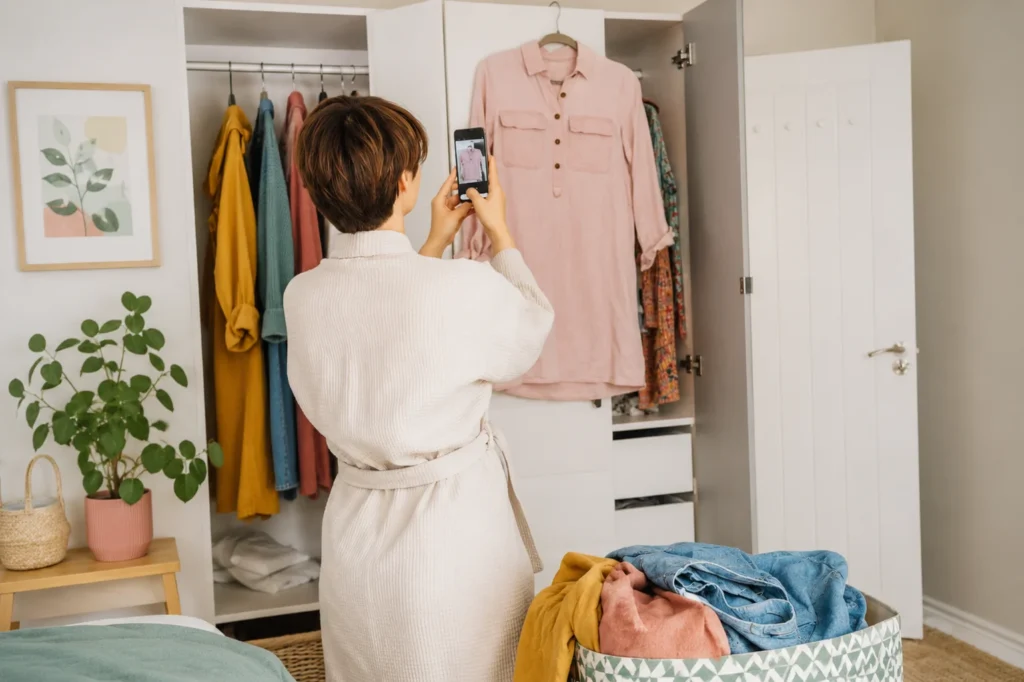
Structured garments tailored blazers, trousers that hold their shape, coats with defined silhouettes, shirts with good collar construction look more expensive than unstructured equivalents because structure requires more material, better construction, and more precise cut to achieve.
The frugal application: one structured piece in an outfit elevates everything around it. A blazer over a basic t-shirt and jeans combination reads as a styled outfit rather than casual wear. A structured shoulder bag over any outfit adds visual formality. This is why stylists consistently reach for the blazer as the highest-return single outfit upgrade regardless of budget.
The Frugal Chic Outfit Formulas
These are the specific outfit constructions that produce consistently polished, expensive-looking results from inexpensive pieces.
Formula 1: The Monochromatic Neutral Set A matching two-piece in the same fabric and color coordinated sweatpants and hoodie, matching trouser and top, tonal linen sets reads as intentional and elevated regardless of where it was purchased. Walmart’s Scoop line, H&M, and similar budget retailers regularly produce quality matching sets in the $30–$60 total range that style identically to designer coordinated sets at $200–$400. The key is keeping the monochrome clean same color, same undertone.
Formula 2: Blazer Over Anything A neutral blazer (black, camel, cream, or navy) elevates any outfit underneath it. White t-shirt and jeans with a camel blazer: polished. Simple slip dress with a black blazer: evening-ready. Turtleneck and trousers with an oversized blazer: editorial. The blazer is the single-piece upgrade with the highest return across the most outfit combinations. A quality secondhand blazer costs $15–$40; a new one from H&M, Zara, or similar runs $40–$80.
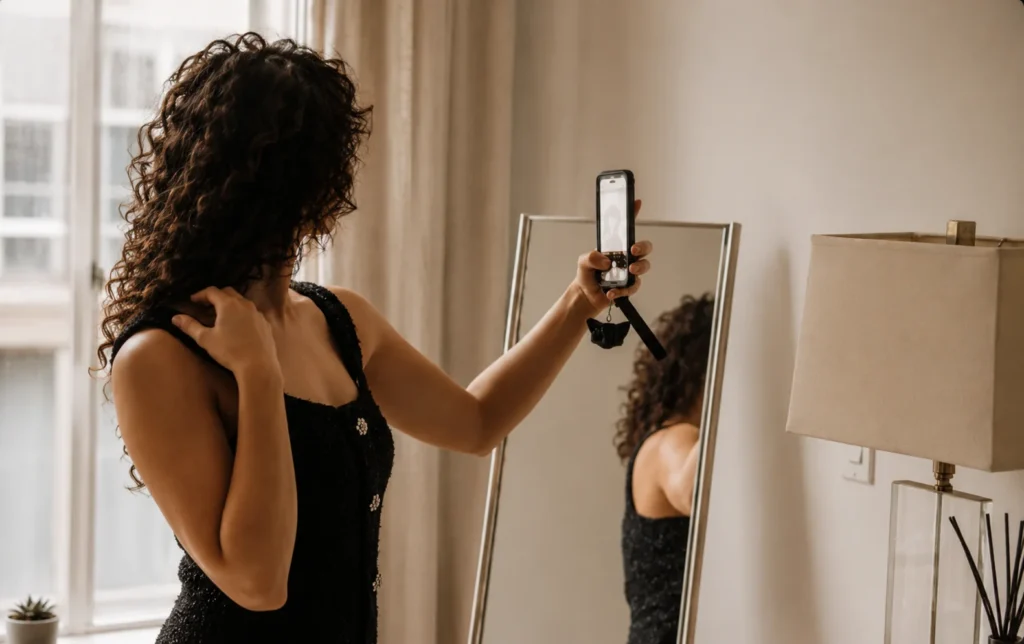
Formula 3: Tonal Dressing with One Texture Variation A beige blouse, camel trousers, and cream-toned shoes, with a suede bag as the one texture variation. Or a black turtleneck, black tailored trousers, and black loafers with a woven-texture bag. The single texture variation in an otherwise tonal outfit creates interest without the visual noise that makes a look feel assembled rather than designed.
Formula 4: The Classic Trio A well-fitting white button-down shirt, dark straight-leg jeans, and clean leather or leather-look shoes. This combination works across professional, casual, and social contexts. It reads as intentionally simple rather than accidentally plain. The three pieces together cost $60–$120 from any budget retailer or secondhand source and photograph identically to the same formula executed with $500 pieces.
Formula 5: The Elevated Casual An oversized neutral knit (not thin or clingy texture and weight matter), well-fitted trousers or dark jeans, and one quality-looking accessory (a structured bag, a clean leather-look loafer, a simple gold necklace). This is the outfit formula that looks most effortlessly chic precisely because it appears unstudied. The elevated casual formula works because the quality of each piece weight, drape, and construction does more visual work than any styling trick.
The Frugal Chic Outfit Details That Change Everything
Beyond outfit formulas, the specific finishing details that most visibly separate polished from unpolished at any budget level:
Pressing and steaming. Wrinkled clothes look cheap regardless of their cost. A $15 garment freshly pressed reads as more expensive than a $150 one worn wrinkled. A clothes steamer ($20–$40) paid back within the first week of use is one of the highest-return frugal fashion investments. Set aside five minutes the evening before to steam anything that needs it.
Simple, consistent accessories. <cite index=”46″>When stylists put together looks for celebrities, they choose everything down to the jewelry and sunglasses because they know that the details can make or break a look.</cite> The frugal chic approach: two or three consistently worn pieces in the same metal tone (gold or silver not mixed) rather than rotating through many. Pearl studs, small gold hoops, a simple gold chain, or a single structured ring. These cost $10–$40 from budget jewelry sources and read consistently as elevated in photographs and in person.
Shoe condition over shoe cost. Clean, unscuffed shoes in good repair look expensive. Worn-down heels, scuffed toes, and dirty laces undermine every other styling decision in an outfit regardless of the quality of the shoes themselves. Polish leather shoes regularly, replace worn soles before they become visually obvious, and clean sneakers after each wear.
The half-tuck. Tucking the front of an untucked top partially into the waistband leaving the back untucked is the single styling gesture most commonly cited by professional stylists for elevating a casual outfit. It creates a deliberate waistline definition and moves a basic combination from “wearing clothes” to “wearing an outfit.” Costs nothing. Takes five seconds.
Removing visible logos. Budget fashion items sometimes lead with visible branding that signals their origin. Where possible, choose unbranded or minimally branded pieces or turn bags and accessories so logos face inward. The quiet luxury aesthetic that dominates elevated style in 2025 is explicitly anti-logo; the frugal wardrobe aligns naturally with this when piece selection favors construction and color over branding.
Where to Source Frugal Chic Outfits

The outfit formulas above are achievable at every budget level when sourced from the right places:
Thrift and consignment stores for blazers, structured bags, quality knitwear, and tailored trousers. These categories appear regularly at 5–20% of original retail in good condition.
H&M, Zara, and Mango for structured pieces (blazers, trousers, tailored basics) that look significantly more expensive than they are. These retailers excel specifically at producing pieces with the visual markers of expensive fashion structure, clean lines, neutral palettes at accessible prices.
Target’s A New Day and Universal Thread lines for everyday basics in quality-appropriate materials that wash and wear well.
ASOS during sales for occasion pieces, statement outerwear, and specific wardrobe gaps at 30–50% off original price.
Amazon for basics white t-shirts, simple knits, solid color camis where construction and drape vary by brand but reviews reliably identify what’s worth buying.
Caring for Frugal Chic Outfits to Make Them Last
The frugal chic outfit only stays chic with proper care which extends cost-per-wear significantly from even inexpensive pieces.
Wash in cold water on the gentle cycle. Air dry anything knitted or delicate. Use a fabric shaver ($10–$15) to remove pilling from knits and blazers pilling is the fastest visual aging factor in affordable knitwear. Store blazers and structured pieces on proper hangers rather than folded. Follow care labels on natural fiber pieces (wool, silk, linen) rather than assuming the standard wash cycle applies.
According to Who What Wear’s affordable style guide, the editors who build the most polished looks on accessible budgets consistently apply the same principle: intentional basics, correct fit, and well-chosen accessories do more visual work than any individual expensive piece.
Frequently Asked Questions
What makes an outfit look frugal chic versus just cheap?
Fit, pressed fabric, consistent color palette, and simple quality-looking accessories. A cheap-looking outfit is usually the result of poor fit, visible wear or wrinkles, clashing colors, or logo-heavy pieces that signal budget sourcing. None of these are fixed by spending more money they’re fixed by applying the principles above to whatever you’re wearing.
What is the single most important thing to upgrade in an outfit?
Fit. A well-fitting garment from any price point looks more expensive than an ill-fitting one from a premium brand. If you can only invest one thing in looking more polished, spend it on alterations for your existing wardrobe rather than on new pieces.
What are the easiest frugal chic outfit formulas?
Monochromatic neutral sets, blazer over anything, and the classic trio (white button-down, dark jeans, clean shoes) produce consistently polished results from budget pieces with minimal styling effort.
How do I make cheap clothes look more expensive?
Press everything before wearing. Remove pilling from knits. Wear neutrals and tonal combinations. Half-tuck tops. Add one simple consistent accessory in a single metal tone. Keep shoes clean and unscuffed. These steps cost almost nothing and produce visible improvement in how any outfit reads.
For more on building a complete frugal wardrobe system, read our guide on frugal fashion the cost-per-wear strategy that changes what you buy and frugal chic bag the handbags that elevate any outfit for less.