
The average American household spends $1,607 per year on apparel, according to the U.S. Bureau of Labor Statistics Consumer Expenditure Survey. Women’s apparel alone averages $655 per year, and that figure doesn’t include shoes ($208), accessories, or alterations.
Here’s the harder truth behind those numbers: the average American woman owns 103 pieces of clothing and research consistently shows that most people wear 20% of their wardrobe 80% of the time. The other 80% of pieces are effectively paid storage.
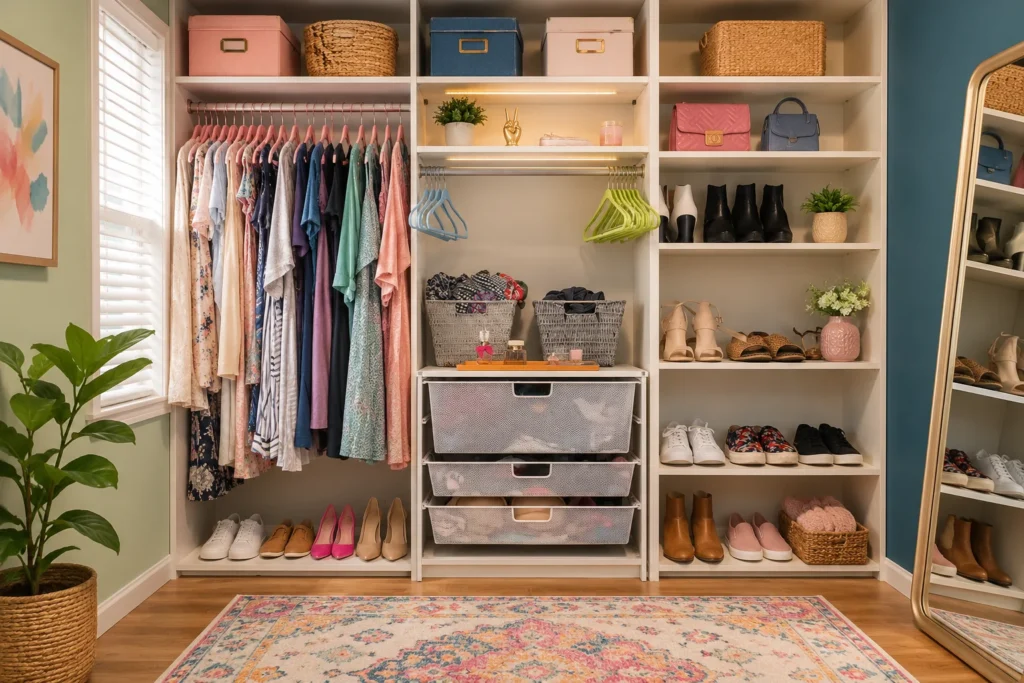
Frugal fashion isn’t about wearing less or looking worse. It’s about spending money on clothing with intentionality understanding the true cost of what you buy, building a wardrobe around what you actually wear, and sourcing smartly from the growing secondhand market that now offers quality clothing at a fraction of its original price.
The Metric That Changes Everything: Cost Per Wear
The single most important concept in frugal fashion is cost per wear the actual cost of a garment divided by the number of times you wear it.
A $200 coat worn 200 times over 10 years costs $1.00 per wear. A $30 fast fashion jacket worn 5 times before falling apart costs $6.00 per wear.
The expensive coat is six times more frugal than the cheap jacket by this measure. This is why frugal fashion is not the same as buying the cheapest available option it’s about understanding which purchases actually cost less over time.
Research supports this math directly. A study by Vestiaire Collective found that secondhand clothes are 33% cheaper per wear than new fast fashion products, even when accounting for the original purchase price. Quality investment in basics saves $471 over five years versus frequent fast-fashion replacement, according to a 2025 Psychology & Marketing cost-per-wear study and requires purchasing 3.6 times fewer items to maintain a comparable wardrobe.
The frugal fashion framework: calculate cost per wear before buying anything. If you can’t credibly imagine wearing a garment at least 30 times, its cost per wear probably doesn’t justify the purchase regardless of how low the price tag is.
The Frugal Fashion Wardrobe Foundation
Frugal fashion works most effectively when built around a foundation of versatile basics garments that work across multiple contexts, layer with each other, and age well rather than trend-driven pieces that require frequent replacement.
The wardrobe foundation items worth spending on:
A well-fitting pair of dark jeans in a classic cut. Jeans are the highest cost-per-wear potential item in most wardrobes a quality pair worn twice a week for three years logs over 300 wears. At $50–$80 secondhand or on clearance, cost per wear drops below $0.25.
Two to three quality neutral tops (white, cream, navy, black or gray) in a fabric that washes well and holds its shape. These form the base of the majority of outfits and benefit from quality investment more than any other category.
One structured blazer or jacket in a neutral. This single item elevates every outfit it touches casual, professional, and social contexts and rarely goes out of style in classic cuts. The secondhand market for blazers is excellent; quality versions appear regularly at thrift stores and consignment shops.
Versatile shoes in two to three categories: one everyday flat or sneaker, one walking shoe, one dressier option if your lifestyle requires it. Shoes have the lowest cost per wear of anything when quality is prioritized a well-made leather boot worn regularly for five years costs significantly less per wear than a $30 synthetic boot that deteriorates in one season.
What not to invest in:
Trend-driven pieces. The faster a fashion trend moves, the worse the cost-per-wear math becomes. A trending color, silhouette, or style that feels outdated in 12 months produces some of the most expensive cost-per-wear in any wardrobe, regardless of what it costs at purchase.
Occasion-specific pieces worn rarely. A dress worn twice a year for $150 costs $75 per wear. Renting, borrowing, or sourcing secondhand for rare occasions is almost always the frugal fashion choice.
Where Frugal Fashion Shopping Actually Happens
Only 13% of American fashion purchases are secondhand, according to a 2024 LZJ survey despite secondhand clothing consistently delivering better cost-per-wear, better quality, and lower price than new fast fashion. The frugal fashion opportunity is in the gap between what people know about secondhand shopping and what they actually do.
Thrift stores: the foundation of frugal fashion sourcing
Quality garments from every brand tier appear in thrift stores at 5–20% of original retail price. A $120 blazer from a quality brand costs $8–$15 at Goodwill or a local thrift. The challenge is consistency thrift stores require regular visits and patience.
The thrift store strategy that works: know your size, know your style, visit the same two or three stores regularly (rotation matters new items arrive constantly), and focus on natural fiber garments (cotton, wool, silk, linen) over synthetic blends, which age and wear poorly regardless of brand.
Consignment and curated secondhand: higher curation, higher price
Consignment shops, ThredUp, Poshmark, and similar platforms curate secondhand clothing at higher prices than thrift stores but lower than retail. For specific brands, sizes, or items with consistent quality, these sources work better than general thrifting because the selection is pre-filtered.
Clearance and end-of-season sales: the best new clothing value
Clothing goes on deep discount at predictable times end of season, after major holidays, and during retailer inventory clearances. Buying next winter’s coat in February at 60–70% off retail captures new-item quality at near-secondhand prices. The frugal fashion calendar: shop end-of-season for next year rather than current-season at full price.
Direct-to-consumer basics brands: quality without the markup
Brands that sell directly (no department store middleman markup) produce comparable quality to traditional retail at 30–50% lower prices. For basics t-shirts, socks, underwear, everyday wear direct-to-consumer options consistently deliver better value than equivalent items at traditional retail.
The Underconsumption Trend: Why Less Is More in Frugal Fashion
<cite index=”21″>57% of Americans are embracing underconsumption minimizing new purchases in exchange for repairing or reusing existing items and 58% are rethinking fashion’s role in their budgets</cite> due to cost-of-living pressures.
This is the direction frugal fashion points: fewer items, better chosen, longer kept. The wardrobe of 103 items that produces 20% utilization is not a style problem it’s a purchasing problem. Reducing new purchases, extending the life of existing garments, and repairing rather than replacing are the frugal fashion habits that produce the most savings.
Practical underconsumption habits:
The one-in-one-out rule. For every new garment entering the wardrobe, one leaves. This prevents accumulation of unworn pieces while creating a natural moment of reflection before each new purchase.
The 30-wear test. Before buying anything, ask: can I imagine wearing this at least 30 times? If the honest answer is no, the cost-per-wear math doesn’t work regardless of price.
Repair rather than replace. A split seam, a missing button, or a small hole are not the end of a garment. Basic sewing skills reattaching a button, mending a seam, hemming pants extend garment life significantly and cost almost nothing. Tailoring existing garments to better fit (a tailor runs $10–$30 for most basic alterations) produces a better result per dollar than buying new.
Selling Old Clothes to Fund New Purchases
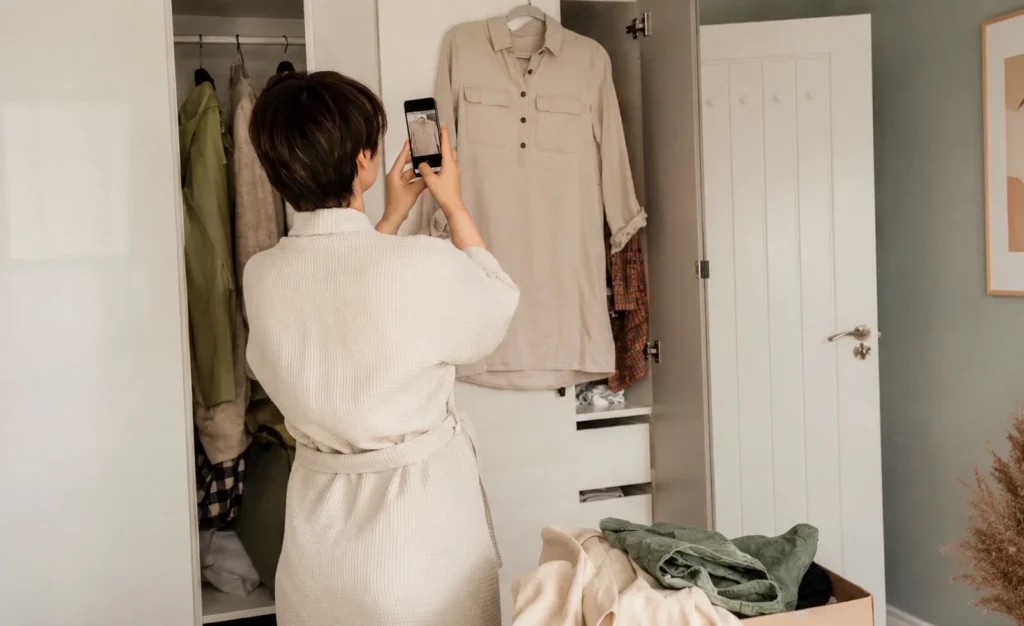
The frugal fashion cycle closes when outgoing clothing funds incoming purchases. Americans donate 72% of unwanted clothing according to LZJ research which means 72% of potential resale value goes directly to charitable organizations rather than back to the owner’s clothing budget.
Poshmark, ThredUp, Facebook Marketplace, and local consignment shops all convert unwanted clothing into cash. Quality pieces from known brands sell within days on the right platform. Lower-quality or fast fashion pieces sell more slowly but still produce some return.
A practical approach: sort the wardrobe seasonally, identify what hasn’t been worn in a year, list anything with brand recognition or quality fabric on Poshmark, take remaining pieces to a consignment shop, and donate what doesn’t sell. The proceeds fund the next season’s purchases and bring the net clothing cost significantly closer to zero.
Affordable Fashion Brands That Are Actually Worth Buying New

Not every frugal fashion purchase should be secondhand. For basics with specific fit requirements, underwear, socks, and items where hygiene or sizing precision matters, new purchases make sense. The frugal approach: know which brands deliver genuine quality at accessible prices.
Among affordable fashion brands consistently cited for quality at lower price points: Uniqlo (basics in natural fiber blends with excellent construction), Everlane (direct-to-consumer pricing on quality essentials), Target’s house brands (A New Day, Universal Thread consistently improve quality per dollar in the mid-range), and ASOS for elevated basics during sales. At the discount end, thrift-focused shopping supplements rather than replaces these sources for wardrobe basics.
According to the U.S. Bureau of Labor Statistics Economics Daily on apparel spending, quality and price are the top two factors Americans consider when buying clothing with quality cited by 55% of shoppers and price by 32%, while brand or designer is cited by only 3%. Frugal fashion aligns with what Americans already value: quality first, price conscious, brand indifferent.
Frequently Asked Questions
What is frugal fashion?
Frugal fashion is the approach of building and maintaining a wardrobe intentionally using cost-per-wear as the guiding metric, prioritizing quality and versatility over quantity and trends, and sourcing from secondhand markets to maximize clothing value per dollar spent.
Is buying expensive clothing more frugal than buying cheap clothing?
Often yes, when quality is the driver rather than brand prestige. A $100 garment worn 100 times costs $1.00 per wear. A $20 garment worn 5 times costs $4.00 per wear. Research shows quality investment saves $471 over five years versus frequent fast-fashion replacement and requires 3.6 times fewer purchases to maintain an equivalent wardrobe.
What are the best sources for frugal fashion shopping?
Thrift stores for quality garments from any brand at 5–20% of retail. Consignment platforms (ThredUp, Poshmark) for specific brands and sizes. End-of-season clearance for new items at 50–70% off. Direct-to-consumer basics brands for items that need to be purchased new.
How do I build a frugal fashion wardrobe from scratch?
Start with the foundation: two to three versatile tops in neutrals, one well-fitting jean, one layering piece, and two pairs of shoes covering everyday and dressed-up needs. Source everything possible secondhand. Add items only when a specific gap exists. Apply the 30-wear test before every purchase.
For more on building a complete frugal lifestyle, read our guide on the frugal aesthetic building a style identity without overspending and frugal living tips for beginners that actually stick.