
Most Americans are spending more on food than they realize and most of that excess isn’t at the grocery store.
In 2023, the USDA recorded an all-time high: 55.1% of American food dollars were spent away from home (restaurants, takeout, delivery) versus 44.9% on groceries. By 2024, food away from home reached 58.9% of total food expenditures, according to USDA Economic Research Service data. Americans now spend more on restaurants and takeout than on the groceries they cook at home a historic shift that has major implications for any household trying to eat frugally.

The good news: 81% of Americans say saving money on food is a priority, and 89% believe cooking at home is the best way to do it, according to a Harris Poll survey. The gap between intention and behavior is where frugal eating lives.
What Frugal Eating Actually Means
Frugal eating is not the same as eating less. It’s not about deprivation, skipping meals, buying the cheapest possible food regardless of quality or nutrition, or making every eating experience joyless.
Frugal eating is the practice of spending money on food intentionally making conscious choices about what you eat, where you eat, and what you’re paying for rather than letting eating habits run on autopilot while money disappears invisibly.
The distinction matters because frugal eating is sustainable in a way that deprivation-based food restriction isn’t. People who eat less tend to compensate. People who eat intentionally tend to maintain the habit because the food itself remains satisfying.
The average American spends approximately $879 per month at restaurants alone, according to Empower Personal Dashboard data for the year ending August 2025. That figure dwarfs most household grocery budgets and represents the single highest-leverage target for anyone trying to reduce food spending meaningfully.
The Four Pillars of Frugal Eating
1. Home cooking as the default, not the exception
Eating out costs Americans approximately 285% more than cooking equivalent meals at home, according to comparative pricing research. A restaurant meal averaging $16 per person versus the same meal cooked at home for approximately $4 per person multiplied across a week of eating produces a gap of thousands of dollars annually.
Frugal eating doesn’t mean never eating in a restaurant. It means treating restaurant meals as deliberate occasions rather than default daily behavior. The transition from “order delivery when tired” to “have home-cooked food available when tired” is where the most significant frugal eating savings happen and it’s driven by meal planning and batch cooking, not willpower.
2. Planning before purchasing
A QuestionPro national survey of 1,000 U.S. adults found that only 13% always use a recipe when cooking 21% rarely or never do. The meal decisions most Americans make are driven by whatever happens to be available at home or by convenience options nearby.
Frugal eating imposes a structure: know what meals are planned for the week before going to the grocery store. This single habit eliminates the two most expensive food behaviors simultaneously impulse purchases at the store and impulse delivery orders when there’s nothing ready at home.
The meal plan doesn’t need to be elaborate. Five to seven dinners and a rough idea of breakfast and lunch. Build the grocery list from the plan. Shop once. The structure saves both money and mental energy.

3. Strategic relationship with restaurants and delivery
Frugal eating doesn’t require giving up restaurants. It requires being strategic about when and how they fit into a food budget.
The delivery premium is the highest-cost form of eating. A meal that costs $12 at a restaurant costs $20–$30 delivered the same food, with delivery fees, service fees, and tip stacked on top. Eliminating delivery and replacing it with either home cooking or occasional restaurant visits produces significant savings without requiring the social sacrifice of never eating out.
Within restaurant eating: lunch is typically 30–40% cheaper than dinner for equivalent dishes at most restaurants. Early-week dining is typically cheaper than weekends. Sharing dishes, skipping appetizers, and ordering water instead of beverages are all frugal eating strategies that preserve the restaurant experience while reducing the cost per outing.
4. Attention to food waste
The USDA estimates American families waste 30–40% of the food they purchase. For a household spending $800 per month on groceries, that represents $240–$320 thrown away monthly more than most households would ever consciously choose to spend on nothing.
Frugal eating treats food waste as the budgetary problem it is. Vegetables are used before they spoil. Leftovers are repurposed into the following day’s lunch rather than forgotten in the back of the refrigerator. Ingredients purchased for recipes are used in multiple meals rather than letting the surplus expire.
The practical habits: first-in-first-out organization of the refrigerator (new items go behind older items), a weekly inventory before shopping, and a “use it up” cooking session that converts what’s approaching the end of its useful life into soup, stir-fry, or frittata before it becomes waste.
The Frugal Eating Budget Framework
Setting a food budget is the foundation of frugal eating because you can’t manage what you don’t measure.
The standard guidance is to spend 10–15% of net monthly income on all food-related expenses, including both groceries and dining out. For a household earning $60,000 per year ($5,000/month net), that’s $500–$750 per month total.
The USDA’s Thrifty Food Plan provides a specific benchmark: approximately $1,002 per month for a family of four when all meals are prepared at home. This represents the minimum for a nutritionally adequate diet with deliberate meal planning.
Against these benchmarks, the average household spending $879 per month on restaurants alone before a single grocery purchase is significantly misaligned with any frugal eating framework.
The practical budget structure for frugal eating:
Fixed, unavoidable food spending first: groceries for home-cooked meals, planned according to the week’s meal plan.
Planned discretionary food spending second: a defined monthly budget for restaurants and coffee shops treated as a real budget line, not an unlimited category.
Zero unplanned delivery: delivery is the most expensive form of eating and the most easily eliminated. Batch cooking eliminates the “there’s nothing to eat and I’m too tired to cook” trigger that drives most delivery orders.
Mindful Eating and Frugality
One underappreciated dimension of frugal eating is the relationship between attention and food satisfaction.
Research on eating behavior consistently shows that people who eat while distracted looking at a phone, watching television, working consume more food before feeling satisfied than people who eat with full attention. The meal registers less fully when the attention is elsewhere. This produces both higher food consumption and lower enjoyment per unit of food eaten.
Frugal eating at its most complete includes eating with attention. Not in a formal or ritualistic way just present with the food. This produces more satisfaction from less food, which reduces both waste and the impulse to eat again soon after the meal.
The Restaurant Strategy for Frugal Eaters

The frugal eating approach to restaurants isn’t about never going. It’s about making restaurant meals count.
Eat out for the right reasons. Social connection, genuine culinary experience, and celebration these are reasons worth spending restaurant money. Convenience, tiredness, boredom, or not having planned these are not.
Choose where you go intentionally. A $15 lunch at a genuinely good local restaurant is a more frugal choice than a $20 delivery order from the same restaurant plus fees. An ethnic restaurant with large portions at moderate prices is typically better frugal eating value than a trendy restaurant with small plates.
Order strategically. Beverages at restaurants are among the highest-margin items on any menu water is always the frugal choice. Shared appetizers and main dishes, where the menu supports it, reduce per-person cost. Lunch over dinner at the same restaurant saves 30–40%.
Treat takeout differently from delivery. Picking up food from a restaurant eliminates $5–$10 in delivery fees and $3–$8 in service fees per order. If takeout is the choice, getting it yourself rather than having it delivered reduces the cost by 30–50%.
Building Frugal Eating Habits That Last
The frugal eating habits that become permanent are the ones that don’t feel like sacrifice:
Meal planning Sunday. 20 minutes to plan the week’s meals and build the grocery list. This eliminates the daily “what’s for dinner?” decision that, left unanswered, produces expensive improvisation.
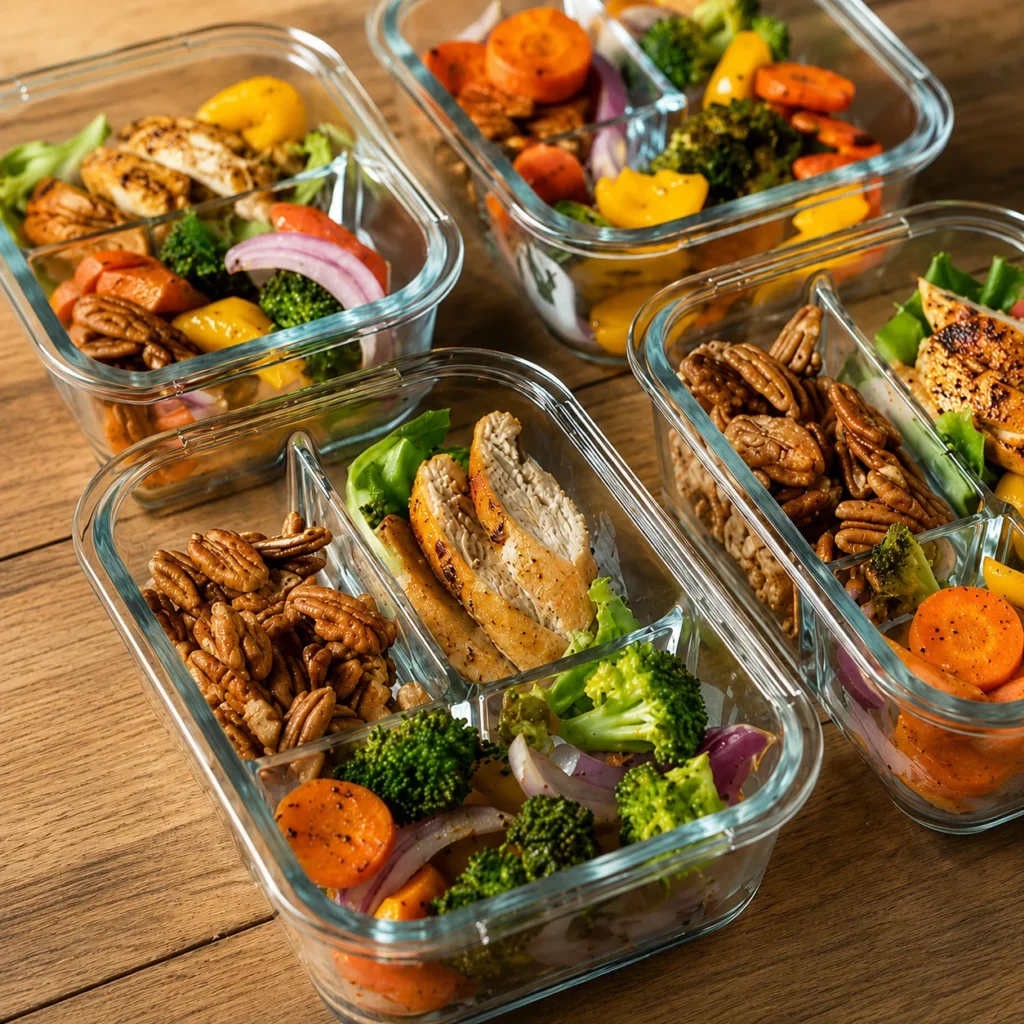
Batch cooking. One to two hours of cooking on a weekend produces enough food for multiple weekday dinners. Having food already prepared makes the “just order something” trigger disappear, because the food is already there.
The pantry week. Once a month, build the week’s meals entirely from existing pantry and freezer inventory before buying anything new. This eliminates waste, reduces spending by $50–$150 that month, and resets the kitchen inventory.
The restaurant budget. A defined monthly amount for restaurants, treated as a real budget line. When the budget is used, the month’s restaurant meals are done. This preserves restaurant eating as a genuine, anticipated experience rather than a daily default.

Coffee from home. The daily coffee shop stop is one of the most consistent frugal eating targets $5–$8 per day for something that costs $0.20–$0.50 to make at home. This is approximately $1,100–$2,800 per year from one daily habit. Most households that eliminate the daily coffee shop purchase report not missing it within two to three weeks.
Frequently Asked Questions
What is frugal eating?
Frugal eating is the practice of spending money on food intentionally making deliberate choices about where, what, and how much to eat, rather than letting food spending run on autopilot. It focuses on reducing the highest-cost eating behaviors (delivery, restaurants as default, food waste) rather than reducing food quality or quantity.
How much should I spend on food per month?
The standard guidance is 10–15% of net monthly income for all food spending combined. The USDA Thrifty Food Plan for a family of four runs approximately $1,002 per month when all meals are home-cooked. Individuals spending significantly more than these benchmarks typically have significant room to reduce food spending without reducing food quality.
What is the single biggest frugal eating change?
Eliminating delivery orders and replacing them with home-cooked food produces the highest per-dollar savings of any single frugal eating change. The delivery premium (fees, tip, and restaurant prices combined) makes delivery the most expensive form of eating available more expensive than restaurant dining, which is already 285% more expensive than home cooking.
Can frugal eating be enjoyable?
Yes, frugal eating is more enjoyable than most people expect because it redirects spending toward food that’s planned, anticipated, and higher quality per dollar rather than toward expensive impulse eating that often produces less actual satisfaction. A deliberately chosen restaurant meal once a week is more enjoyable than four unplanned delivery orders for the same monthly cost.
For more on building a complete frugal food system, read our guide on frugal grocery shopping strategies that keep the weekly bill on track and frugal cooking techniques that make every ingredient stretch further.