
There’s a difference between buying cheap food and cooking frugally and most budget cooking advice conflates the two.
Buying cheap food is about what you put in the cart. Frugal cooking is about what you do with it once you get home. The same ingredients can produce vastly different food costs depending on how they’re handled in the kitchen how much gets wasted, how many meals one cooking session produces, and whether the cooking method amplifies or diminishes the value of what you bought.
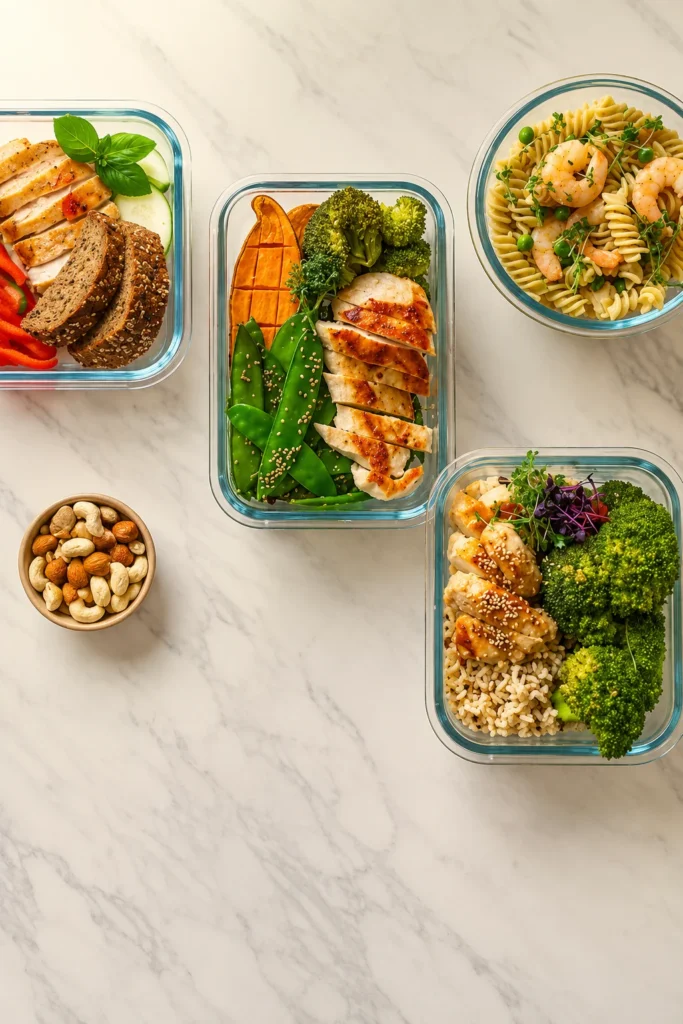
According to research on home cooking economics, batch cooking with strategic leftover use produces the best overall value at approximately $11.61 per meal including time costs significantly better than either scratch cooking without planning or delivery ordering. The insight is not “cook at home vs. order out.” It’s “cook smart vs. cook inefficiently.”
These are the frugal cooking skills and techniques that make the difference.
The Foundation: Understanding What Cooking Actually Costs
Eating out costs Americans nearly 285% more than cooking at home on average, according to cost comparison data. The U.S. Bureau of Labor Statistics Consumer Price Index confirms that food away from home consistently rises faster than food at home 3.6% vs 1.6% in the most recent comparable year. Over time, this gap compounds.
But within home cooking, there’s a wide spectrum. A poorly planned kitchen food that spoils before being used, single-serving cooking sessions, no batch preparation produces costs that approach convenience food without the convenience. A well-planned kitchen batch cooking, zero waste habits, smart use of the freezer, ingredient versatility produces the lowest possible food cost while generating good meals.
The skills below are what separate the first type of kitchen from the second.
Batch Cooking: The Highest-Return Frugal Cooking Technique
Batch cooking preparing larger quantities in a single cooking session for use across multiple meals — is the single most effective frugal cooking technique available. It accomplishes three things simultaneously: reduces the per-meal time cost of cooking, eliminates the “nothing ready to eat, let me order delivery” problem, and allows you to purchase larger quantities at lower per-unit prices.
The Sunday cook
A two-hour Sunday cooking session that produces components rather than complete meals is more flexible and more efficient than cooking five complete separate dinners. Components:
A large pot of grains (rice, farro, barley, or a mix) takes 30–45 minutes passive oven or stovetop time. Used throughout the week as a base for bowls, stir-fries, soups, and side dishes.
A batch of roasted vegetables two sheet pans of whatever vegetables are available, tossed with olive oil and salt, roasted at 425°F for 25 minutes. Used in grain bowls, added to eggs, stirred into soups, eaten as a side dish.
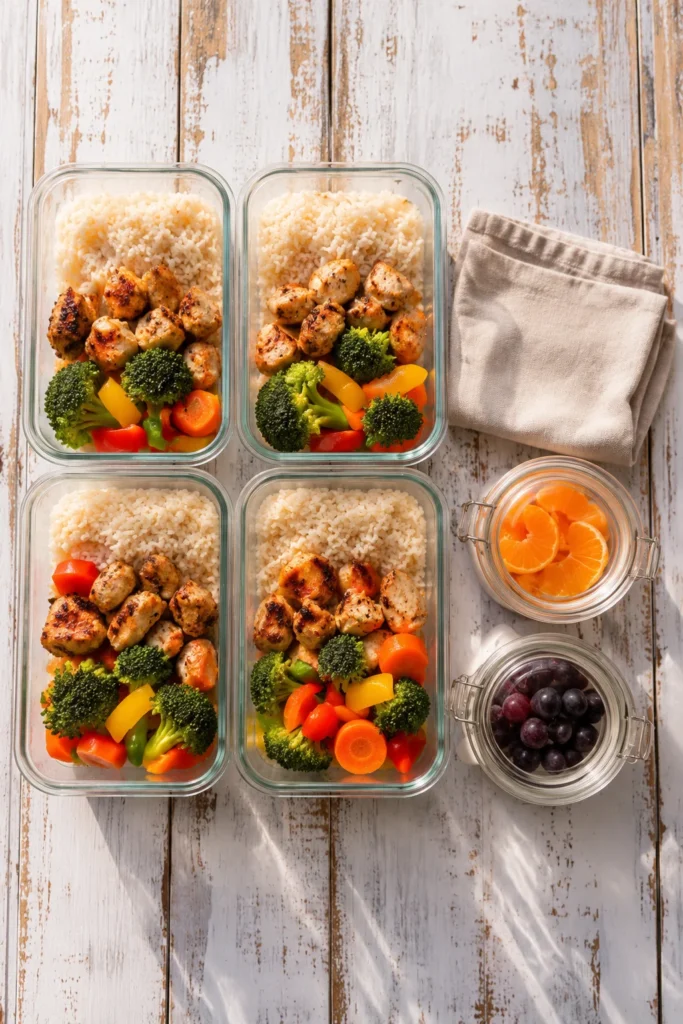
A batch of cooked protein a pot of beans from dried (if you planned ahead with soaking) or canned, roasted chicken thighs, or a pot of lentils. Used across multiple meals at a fraction of the per-meal cooking time.
These three components, prepared once, produce 8–12 meals worth of ready-to-assemble food. Assembly each evening takes 10–15 minutes rather than 45–60 minutes from scratch.
Freezer cooking
Extending batch cooking to the freezer produces the most resilient frugal kitchen. Foods that freeze well and benefit from larger-batch preparation:
Soups and stews almost universally freeze well. A doubled batch of lentil soup, bean soup, or chicken vegetable soup takes the same active time as a single batch and produces two to three weeks of frozen ready-to-heat meals.
Meatballs, burger patties, and formed protein freeze before cooking, pull out exactly what’s needed.
Cooked grains freeze in two-cup portions in zip-lock bags. Defrost in 90 seconds in the microwave.
Pancakes, waffles, and baked goods freeze individually, toast or microwave from frozen.
The freezer is frugal cooking’s most valuable tool because it converts the economies of scale available in batch cooking (buying in larger quantities, cooking in larger batches) into the flexibility of single-serving access.
Stock Making: Converting Kitchen Scraps Into Flavor
One of the least-practiced and highest-return frugal cooking techniques is stock making from kitchen scraps vegetable peels, onion skins, carrot tops, celery leaves, chicken carcasses, Parmesan rinds.
These are items that most households throw away. In a frugal kitchen, they go into a zip-lock bag or container in the freezer until you have enough to make a pot of stock. When the bag is full, fill a large pot with the scraps and water, simmer for two hours, strain, and refrigerate or freeze the resulting stock.
Homemade vegetable stock costs nothing in ingredient terms it’s made from what would otherwise be discarded. Chicken stock from a carcass (the remains of a roasted chicken that would otherwise go in the trash) costs nothing beyond a few pennies of energy to simmer.
A quart of store-bought stock costs $2–$4. A week’s scraps produce one to two quarts of stock at zero additional food cost. Over the course of a year, this habit alone saves $100–$200 in stock purchases and produces a better-tasting result than anything in a carton.
Nose-to-Tail Cooking: Using Every Part of Every Ingredient
Frugal cooking means extracting maximum value from every ingredient not just the obvious, easy-to-use parts.
Chicken: The most commonly underutilized ingredient in American kitchens. Most households cook chicken breasts or thighs and throw away the carcass, giblets, and drippings. A frugal kitchen uses all of it. The carcass goes into stock. The giblets (often included in whole chickens at no extra cost) are sautéed for a quick cook’s meal or added to gravy. The drippings from roasting are used to cook vegetables or as the base for pan sauces.
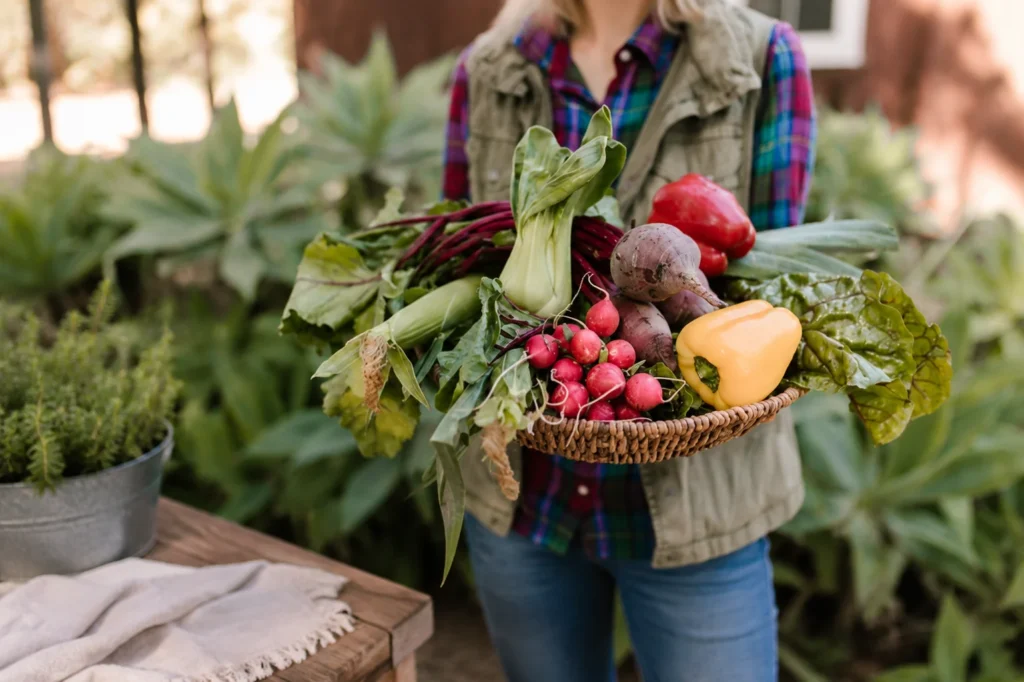
Vegetables: Most cooks discard vegetable parts that are entirely edible broccoli stems, carrot tops, cauliflower leaves, beet greens, watermelon rinds. Broccoli stems are milder than florets and taste identical when sliced thin and cooked. Carrot tops are bitter (used in pesto or chimichurri in small amounts). Beet greens are cooked exactly like Swiss chard. Watermelon rind pickles in vinegar and becomes a condiment. None of these require skill only the knowledge that they’re edible.
Cheese rinds: Parmesan rinds, in particular, stored in the freezer and added to soups and stews while simmering, dissolve into the broth and add a deep savory flavor that no other addition replicates. What would otherwise be discarded becomes one of the most effective frugal cooking flavor tools available.
Bread: Stale bread is an ingredient, not waste. It becomes bread crumbs (ground in a food processor), croutons (cubed and toasted), bread pudding, panzanella (Italian bread salad), ribollita (Tuscan bread soup), or French toast. A frugal kitchen never discards stale bread.
The Art of Ingredient Substitution
Frugal cooking flexibility the ability to substitute ingredients based on what’s available, what’s on sale, and what’s already in the kitchen reduces both food waste and grocery spending.
The most useful substitution categories:
Acids are interchangeable. A recipe calling for lemon juice can use white wine vinegar, apple cider vinegar, or lime juice. A recipe calling for white wine can use a splash of white wine vinegar diluted with water. The flavor differs slightly; the dish works.
Fats are largely interchangeable. Butter, olive oil, coconut oil, and vegetable oil can all substitute for each other in most cooking applications. The flavor profile changes; the cooking function doesn’t.
Proteins are more interchangeable than most recipes suggest. A chicken thigh recipe works with pork chop. A beef stew recipe works with lamb shoulder. A white fish recipe works across most white fish species. Substituting based on what’s on sale or what’s already in the refrigerator is a core frugal cooking skill.
Dairy substitutions. Yogurt for sour cream. Milk for buttermilk (with a splash of vinegar). Cream for a mixture of butter and milk. These substitutions work in most recipes without notable quality loss.
Learning to substitute frees you from buying specific ingredients for specific recipes and allows you to build meals from what’s available the core of frugal cooking flexibility.
The Slow Cooker and Pressure Cooker as Frugal Cooking Tools
Two appliances dramatically expand the frugal cooking toolkit by making cheaper, tougher cuts of meat genuinely desirable.
The slow cooker converts chuck roast, pork shoulder, bone-in chicken thighs, and dried beans into tender, flavorful results that a quick-cooking method cannot produce from these inexpensive ingredients. A chuck roast that costs $10–$15 and slow-cooks for 8 hours produces 6–8 servings of fall-apart tender meat approximately $1.50–$2.00 per serving from a cut that would be unpleasant if cooked quickly.
The slow cooker also does the work while you’re not in the kitchen. Load it before leaving in the morning; dinner is ready when you return. This eliminates the evening “I’m too tired to cook” delivery temptation more effectively than almost any other kitchen strategy.
The pressure cooker / Instant Pot collapses the cooking time of dried beans (from 8+ hours with soaking to 25 minutes without soaking), whole grains, and tough cuts, making the cheapest and most nutritious ingredients accessible on weeknights without advance planning. Dried beans in a pressure cooker cost 70–80% less per serving than canned beans and require no soaking.
Cooking From Scratch vs Convenience: The Real Math
A frozen pizza costs $7–$10 and serves 2–3 people: $2.50–$5.00 per serving. A homemade pizza flour, water, yeast, salt, olive oil, canned tomatoes, mozzarella costs $3–$5 total and serves 4–6 people: $0.50–$1.25 per serving.
A jar of store-bought marinara sauce costs $3–$5. A homemade tomato sauce canned whole tomatoes, olive oil, garlic, salt costs $1.50–$2.00 for equivalent volume.
Pre-made salad dressing costs $3–$5 per bottle. A vinaigrette made from olive oil, vinegar, mustard, and salt costs approximately $0.30 per equivalent serving.
Meal kits are approximately 3 times more expensive than cooking the same meal from scratch, according to comparative pricing research. The convenience premium is real but in frugal cooking, the equivalent convenience comes from batch preparation rather than purchased convenience.
Building a Frugal Cooking Mindset
The frugal cooking mindset has three core practices:
Nothing gets wasted. Every wilting vegetable goes into soup or stir-fry before it dies. Every stale bread item gets repurposed. Every carcass produces stock. Every cooking session produces more than one meal’s worth of food.
Cooking is an input, not a task. The goal isn’t to finish cooking as quickly as possible it’s to maximize what each cooking session produces. An extra 10 minutes of batch cooking produces three additional meals worth of food. That 10 minutes is worth more than almost any other 10-minute investment available.
Flexibility over rigidity. The most frugal meal isn’t the cheapest recipe it’s the most efficient use of what’s already in the kitchen. Learning to cook from available ingredients rather than shopping specifically for planned recipes reduces both waste and grocery spending simultaneously.
According to Budget Bytes, which tracks real food costs across hundreds of recipes, the most consistently frugal kitchens share one characteristic: they cook with a “use what you have” approach rather than buying specific ingredients for specific recipes. The skill to execute this approach is frugal cooking at its most effective.
Frequently Asked Questions
Is cooking from scratch always cheaper?
Scratch cooking with smart planning batch cooking, leftover use, and minimal waste produces significantly lower costs than convenience food or restaurant meals. Random scratch cooking without planning (ingredients that spoil, single-serving sessions, frequent small trips to the store) can approach convenience food costs. The planning is as important as the cooking.
What is the most important frugal cooking skill?
Batch cooking combined with stock making from scraps produces the highest return for time invested. Both are learnable in one session and continue generating savings indefinitely once they become habits.
What equipment does frugal cooking require? A large pot, a Dutch oven or baking dish, sheet pans, and a sharp knife cover 90% of frugal cooking applications. A slow cooker or pressure cooker is a high-return investment for households that cook dried beans and cheap cuts regularly typically recovering its purchase cost within the first month of use.
How do I reduce food waste when cooking frugally?
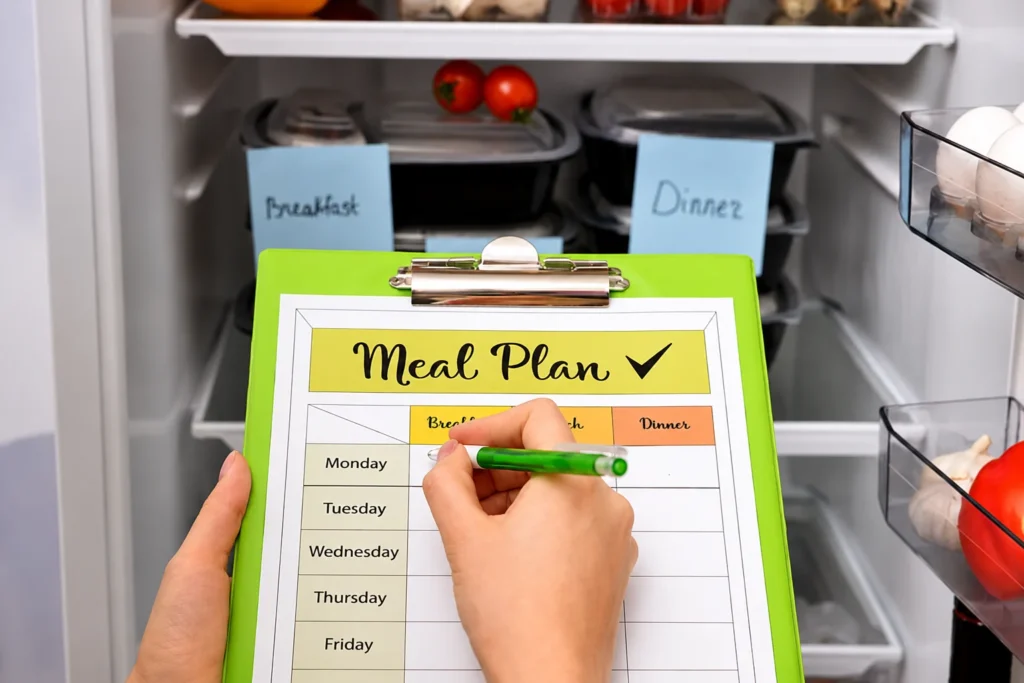
Start every cooking session by checking what’s closest to expiring and building the meal around those ingredients. Keep a bag in the freezer for vegetable scraps and a separate one for cooked grain and protein portions. Freeze bread before it goes stale. Make soup when vegetables are reaching the end of their useful life. These four habits eliminate most household food waste.
For more on building a complete frugal food system, read our guide on frugal grocery shopping strategies that keep the bill under budget and frugal dinners that cost under $2.50 per serving.