
Grocery prices have risen 29% since 2020 and family food budgets are feeling every bit of it.
The average American household now spends around $940 per month on groceries. The USDA’s moderate-cost food plan for a family of four runs $1,250–$1,400 per month. And that’s before anyone orders delivery, grabs fast food on a busy Tuesday, or makes an unplanned grocery run because dinner didn’t come together the way you hoped.
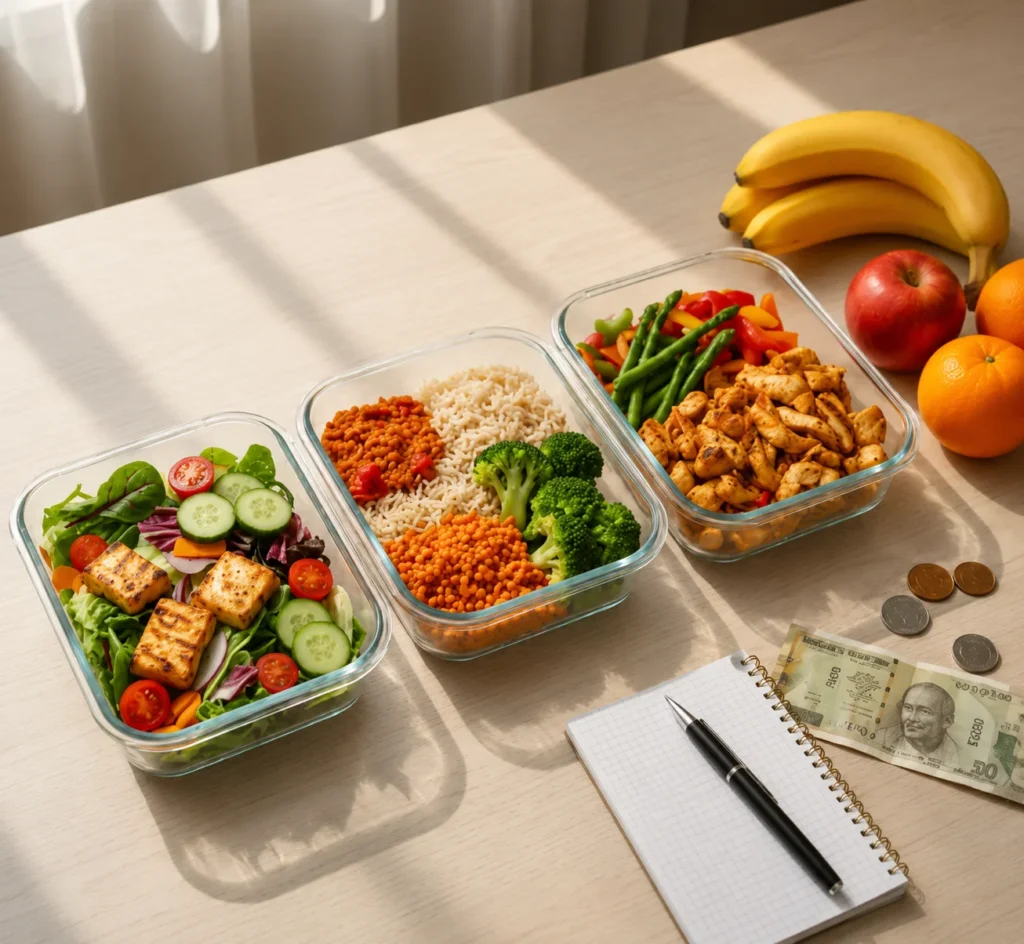
Frugal family living in the food category isn’t about cutting corners on nutrition or making everyone eat rice and beans every night. It’s about building a food system that works reliably one that keeps the grocery bill close to the USDA’s Thrifty Plan target of $1,002 per month for a family of four while actually feeding people food they want to eat.
Here’s how families consistently do it.
The Real Reason Family Food Budgets Run Over
Most families who struggle with their grocery budget aren’t making bad decisions at the store. They’re making no decision at all.
According to a Progressive Grocer consumer study, 32% of shoppers enter the grocery store with no plan. And even among the 56% who bring a list, impulse purchases account for up to 62% of grocery sales revenue. You walked in for dinner ingredients and walked out with $47 of snacks.
Add the delivery fallback when there’s no dinner plan and everyone’s tired, the phone wins and the math gets worse fast. Home cooking costs roughly $4–$6 per serving. A delivery order runs $15–$25 or more after fees and tip. Replace two delivery orders per week with home-cooked meals and you recover $1,456 per year. From the same family food budget. Without cutting anything that was actually planned.
The fix isn’t willpower. It’s a meal plan.
The Frugal Family Meal Plan: How to Build One That Lasts
A family meal plan doesn’t have to be elaborate. The ones that actually get used week after week are simple a rotation of dinners everyone will eat, built around what’s on sale and what’s already in the house.
The 8-dinner rotation
Choose eight dinners your family actually enjoys. Eight not forty. This week’s rotation cycles through the same eight meals as last week’s, adjusted for what’s on sale and what’s in season. The benefits compound over time: you get faster at shopping for these meals, faster at cooking them, and there’s almost no decision-making involved. The meals rotate, the planning time drops, the waste drops, and the cost drops with it.
A survey of 2,568 meal planners found they reduced food costs by $47 per person per month $564 per year per person. For a family of four, that’s $2,256 per year recovered from consistent meal planning alone.

Shop the sale, then plan around it
Reverse the typical shopping process. Instead of planning meals and then shopping for ingredients, check the store’s weekly circular first and plan meals around what’s on sale. This single habit shift captures discount pricing every week without requiring couponing or strategic shopping trips.
Protein is where the biggest savings are beef prices rose 11.6% in 2025 and are projected to rise further. Planning around chicken thighs (cheaper than breasts), eggs, canned tuna, lentils, and beans when protein is expensive is the most effective way to maintain nutrition while managing food costs.
Pantry-first shopping
Before each weekly shop, check the pantry and freezer. Most family kitchens have enough food for two to four complete meals sitting unused canned goods, frozen proteins, grains, pasta. A “pantry week” once a month, where you build the meal plan entirely from existing inventory before buying anything new, eliminates waste and resets the kitchen inventory at the same time.
Frugal Family Meals That Actually Feed Everyone
The meals that work for frugal family living have three things in common: they use inexpensive proteins or plant-based proteins, they scale easily (leftovers are the point), and they’re genuinely good enough that nobody feels punished for eating them.
Bean and rice dishes
Dried beans cost $1–$2 per pound and expand significantly when cooked. A pound of dried black beans produces enough for a family of four with leftovers. Combined with rice another budget staple at $0.50–$1.00 per pound beans and rice form the protein-carbohydrate base of dozens of frugal family food ideas: burritos, burrito bowls, rice and beans with eggs, soup, casseroles.
The nutritional profile is genuinely strong beans provide fiber, protein, and complex carbohydrates. This isn’t poverty food. It’s food that happens to be cheap.

Egg-based dinners
Eggs remain one of the most cost-effective proteins despite price volatility. Frittatas, shakshuka, fried rice with eggs, egg and vegetable scrambles, and breakfast-for-dinner formats all deliver complete protein at $0.25–$0.50 per serving. A family of four eats a complete egg-based dinner for $3–$5 total.
Chicken thigh dishes
Chicken thighs are significantly cheaper than chicken breasts, more forgiving to cook (higher fat content means they don’t dry out), and more flavorful. Sheet pan chicken thighs with vegetables, slow cooker pulled chicken, chicken soup from thighs and carcass, and stir-fry all work for frugal family meals. One package of chicken thighs produces two to three meals for a family of four when cooked with bulk-extending vegetables and grains.
Soups and stews
Soup is the most efficient frugal family food idea because it absorbs small amounts of many ingredients into a single filling meal. A pot of vegetable soup with whatever’s available a partial onion, half a bag of frozen corn, canned tomatoes, leftover chicken, any vegetable approaching the end of its usefulness costs $3–$6 and feeds a family of four generously. Soups improve the next day. They freeze well. And they use exactly the bits of produce that would otherwise become the food waste that inflates grocery bills invisibly.
Pasta dishes
A pound of pasta costs $1–$2 and feeds four people as a side dish or two to three as a main dish. Pasta with a homemade tomato sauce (canned whole tomatoes, olive oil, garlic, salt) costs under $3 for the sauce. Pasta with vegetables, pasta with ground beef stretched with lentils or finely chopped mushrooms, baked pasta casseroles all effective frugal family dinners that satisfy reliably.
Slow cooker and batch meals
The slow cooker is the frugal family cook’s most effective tool. You can use cheaper, tougher cuts of meat (which require long cooking times to become tender) and produce a meal that feeds the family multiple times from one cooking session. A chuck roast that costs $15 slow-cooked with vegetables produces four to six servings of pot roast, plus broth and leftover meat for a second meal. The cost per serving drops below $2.50 comparable to rice and beans, with significantly more variety.
Grocery Shopping Strategies for Frugal Families
The store is where the savings either happen or don’t. These shopping habits separate families who consistently hit their grocery targets from those who consistently miss them.
Store brands on staples, always. According to the USDA Economic Research Service, store-brand products save shoppers up to 30% versus name brands across most grocery categories with equivalent quality. For a family spending $1,000 per month on groceries, shifting staples to store brand saves $200–$300 per month the single highest-return shopping habit available.
Shop the perimeter, plan for the interior. Fresh produce, dairy, meat, and eggs live on the perimeter. The interior aisles contain both the processed convenience foods that inflate grocery budgets and the dry staples (rice, pasta, canned goods, beans) that anchor frugal family meals. Shop the perimeter for fresh ingredients based on the week’s plan. Shop the interior specifically for staple replenishment, not browsing.
Freeze strategically. Meat bought in bulk when on sale and frozen immediately reduces the per-unit cost significantly. Bread, cooked grains, soups, and most cooked meals freeze well. A well-stocked freezer reduces the weekly grocery requirement and eliminates the “nothing to make for dinner” situation that drives takeout decisions.
Use loyalty apps before arriving. Most major grocery chains offer digital coupons through their apps that load directly to your loyalty card. Taking five minutes to check and load digital coupons before leaving for the store typically saves $10–$30 per shopping trip with no additional effort beyond the tap.
Reduce grocery trip frequency. Each additional trip to the store is a new opportunity for unplanned purchases. Families that shop once per week consistently spend less than those who make multiple short trips. A larger weekly shop with a complete list generates less impulse spending than four smaller trips with partial lists.

Reducing Food Waste: The Hidden Grocery Cost
The USDA estimates that American families waste approximately 30–40% of their food supply. For a family spending $1,000 per month on groceries, that represents $300–$400 of food purchased, prepared, and thrown away every month.
Food waste is a grocery budget problem as much as a sustainability problem. The vegetables that wilt before they’re used. The leftovers nobody wants on day three. The bulk purchase that exceeds the family’s actual consumption rate before it expires.
Specific food waste reduction habits for families:
Use vegetables in order of perishability. Leafy greens and fresh herbs go first; root vegetables and cruciferous vegetables last. Never start a week’s cooking with what’s going to last the longest.
Turn “almost done” items into soup or stir-fry before they spoil. A stir-fry is a legitimate vehicle for virtually any vegetable combination the sauce makes everything cohesive.
Repurpose leftovers rather than serving them unchanged. Leftover roast chicken becomes chicken soup, chicken tacos, or chicken fried rice. The same food in a new format gets eaten; the same food in the same format often doesn’t.
Label and date freezer items. Unlabeled freezer items get forgotten and eventually thrown away. A piece of masking tape and a marker takes five seconds and recovers the meal entirely.
Building a Frugal Family Food Budget
The USDA Thrifty Food Plan provides a monthly cost benchmark by family size that represents the minimum nutritionally adequate diet when all meals are prepared at home. For a family of four (two adults 20–50, one child 6–8, one child 9–11), the thrifty plan runs approximately $1,002 per month.
This is the target for genuinely frugal family living. Most families who hit this target consistently are doing four things: meal planning every week, shopping with a list, buying store brands on staples, and cooking the majority of meals at home.
A free budgeting app that tracks grocery spending by category shows in real time where the food budget stands each week preventing the end-of-month surprise that comes from not tracking until the statement arrives.
Frequently Asked Questions
What is a realistic frugal grocery budget for a family of four?
The USDA Thrifty Food Plan for a family of four runs approximately $1,002 per month the minimum for a nutritionally adequate diet when all meals are prepared at home. The moderate plan runs $1,250–$1,400 per month. Most frugal families target $800–$1,100 per month through consistent meal planning, store brand purchasing, and reduced food waste.
What are the cheapest frugal family meals that are still nutritious?
Bean and rice dishes, egg-based dinners, chicken thigh recipes, homemade soups, and pasta with homemade sauce are consistently the most nutritious and least expensive family meals. Each can be prepared for $3–$8 total for a family of four.
How much does meal planning actually save?
A survey of 2,568 meal planners found they reduced food costs by $47 per person per month $564 per year per person. For a family of four, consistent meal planning saves approximately $2,256 per year from reduced food waste, fewer impulse purchases, and fewer delivery orders.
What food categories have the highest price increases?
Beef and veal rose 11.6% in 2025, with further increases projected. Sugar and sweets and non-alcoholic beverages are also rising above historical averages. Dairy, cereal, and fresh vegetables increased at slower rates. Frugal families respond by substituting chicken thighs, eggs, legumes, and plant proteins when beef prices are elevated.
How do I get my family to eat frugal meals without complaints?
The key is building the frugal meal rotation around meals your family already genuinely likes rather than meals you’ve decided they should eat. If your family loves tacos, the frugal version (bean and vegetable tacos, or chicken thighs with homemade seasoning) works because the format is familiar. Frugal family food ideas that feel like punishment don’t get eaten which defeats the purpose entirely.
For more on building a complete frugal living system for families, read our guide on frugal living tips for beginners that actually stick.