
Breakfast is where most food budgets quietly leak not in dramatic ways, but in small, daily decisions that add up fast.
A coffee shop breakfast runs $8–$15. A drive-through combo is $5–$8. A box of name-brand cereal that feeds a family of four for four days costs $6–$8 which sounds reasonable until you calculate $1.50 per bowl for something that doesn’t keep anyone full past 10am.
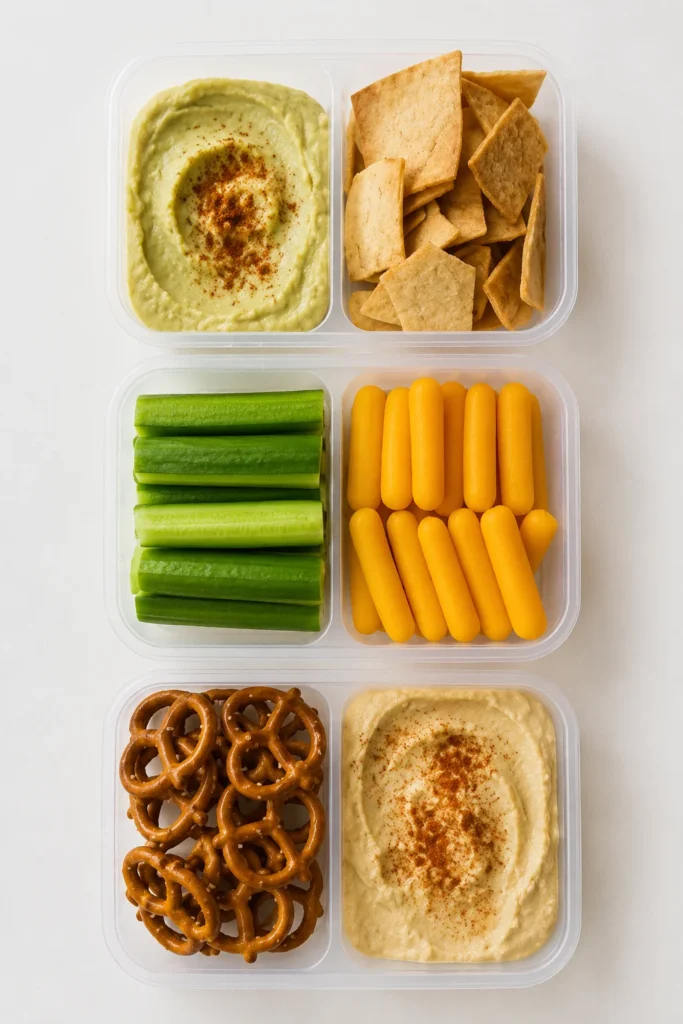
The frugal breakfast ideas that actually work do two things: they cost under $1 per serving, and they keep you full long enough that the mid-morning vending machine or coffee shop run never happens. That second part matters as much as the first. A $0.50 breakfast that leads to a $5.00 impulse snack isn’t a frugal breakfast it’s an expensive one spread across two purchases.
Here’s the complete guide to frugal breakfast ideas organized by cost per serving, with specific ideas for every schedule and preference.
The Cheapest Breakfast Staples (Buy These Every Week)
Before specific breakfast ideas, the staples that make frugal breakfasts possible. These are the lowest cost-per-serving breakfast foods available.
Oats (rolled or old-fashioned): $0.10–$0.20 per serving. Oatmeal beats every other breakfast food on cost per serving in side-by-side comparisons cheaper than cereal, cheaper than toast, cheaper than yogurt, cheaper than eggs. A 42-ounce container of rolled oats costs $3–$5 and provides approximately 30 servings. At $0.15 per serving before any toppings, oats are the most cost-effective breakfast staple that exists.
Eggs: $0.25–$0.50 per serving (2 eggs). Despite price fluctuations, eggs remain one of the most filling and nutritious frugal breakfast options available. Two eggs at $0.35 per egg provides complete protein for under $0.75. No other animal protein comes close to this cost-to-nutrition ratio at breakfast.
Bread: $0.15–$0.30 per slice. A loaf of store-brand bread runs $2–$3 and contains 20 slices. Toast as a breakfast base for eggs, avocado, peanut butter, or simply butter costs under $0.50 for two slices.
Frozen fruit: $0.30–$0.50 per serving. Frozen fruit contains equal or superior nutrition to fresh fruit according to nutritional research, costs 20–30% less per serving, and produces zero waste (no spoilage). For smoothies, oatmeal toppings, or yogurt additions, frozen fruit is the frugal choice.
Peanut butter and nut butters: $0.15–$0.30 per tablespoon. A 16oz jar of peanut butter contains approximately 32 tablespoons and costs $3–$5. Peanut butter on toast, oatmeal, or as a smoothie addition adds protein and healthy fat for pennies.
Bananas: $0.15–$0.25 per banana. The cheapest fresh fruit by far typically $0.17–$0.25 per banana regardless of season. A banana on its own, sliced into oatmeal, or mashed into pancake batter is the lowest-cost fresh fruit option for breakfast.
Oat-Based Breakfast Ideas: The Highest-Value Category
Oats are the anchor of frugal breakfast eating and significantly more versatile than most people use them.
Classic stovetop oatmeal
Half a cup of rolled oats cooked in one cup of water or milk takes five minutes on the stove. The cost: $0.15 for the oats, plus the cost of toppings. A banana and a tablespoon of peanut butter add $0.40. Total breakfast cost per person: approximately $0.55. Nutritionally complete carbohydrates for energy, protein from the peanut butter, potassium from the banana, and fiber from the oats that keeps you genuinely full through the morning.
Overnight oats
The same oats, prepared the night before in a jar with milk (or plant milk), require zero morning effort. You shake the jar and eat. Overnight oats can be prepared for the entire week on Sunday evening in five separate jars each one ready to grab from the refrigerator on the way out the door.
A basic overnight oats serving (half cup oats, half cup milk, toppings) costs $0.40–$0.70 per jar depending on toppings. Add frozen berries: $0.30 more. Add peanut butter and banana: $0.40 more. The total remains under $1.10 per serving even with generous toppings and the texture is genuinely satisfying in a way that instant oatmeal packets don’t match.
Baked oatmeal
A single baked oatmeal dish prepared in a 9×13 pan oats, eggs, milk, banana, cinnamon, maple syrup feeds four to six people and reheats for three to four days from a single preparation session. Cost per serving: $0.60–$0.85. The texture is closer to cake than porridge, which makes it appealing to people who find regular oatmeal too plain.
Homemade granola
Store-bought granola is one of the most marked-up breakfast items in any grocery store $5–$8 for a bag that provides 8–10 servings. Homemade granola (oats, a sweetener, oil, and whatever mix-ins you have) costs approximately $0.25–$0.40 per serving and takes 30 minutes of oven time that requires no active attention. Make a large batch on Sunday and it stores for two weeks.
Egg-Based Breakfast Ideas: Highest Protein, Still Low Cost
Eggs are the frugal breakfast workhorse the protein source that costs the least while providing the most satiety.
Scrambled eggs on toast
Two eggs scrambled, two slices of toast. Total cost: $0.75–$1.00 depending on egg prices and bread type. Complete breakfast protein from eggs, carbohydrates from bread, cook time under five minutes. This is the frugal breakfast that requires the least planning and delivers the most consistent result.
Egg and vegetable scramble
Scrambled eggs with whatever vegetables need using frozen spinach, diced onion, bell pepper, tomato, leftover roasted vegetables. The vegetables extend the egg volume, reduce the cost per serving further, and increase the nutritional density. Two eggs plus $0.30 worth of vegetables produces a breakfast that costs $0.65–$0.90 and keeps most people full for four to five hours.
Hard-boiled eggs (batch cooked)
Boiling a dozen eggs at once on Sunday produces a week of grab-and-go breakfast protein at $0.25–$0.50 per egg. Two hard-boiled eggs with a banana and a tablespoon of peanut butter is a complete frugal breakfast for under $0.90. No morning cooking required.
Breakfast burritos (batch frozen)
A batch of breakfast burritos scrambled eggs, black beans, a small amount of cheese, and salsa in flour tortillas wrapped individually and frozen provides a week or two of convenient breakfasts at $1.00–$1.50 per burrito. Significantly cheaper and more nutritious than any frozen breakfast product from the grocery store, and reheats in two minutes.
Frittata (batch cooked)
Six to eight eggs beaten with whatever vegetables and cheese are available, cooked in a skillet until set and finished in the oven. A frittata feeds four to six people for breakfast or can be sliced and eaten throughout the week from the refrigerator. Per serving: $0.75–$1.10.
Quick Frugal Breakfasts Under 5 Minutes
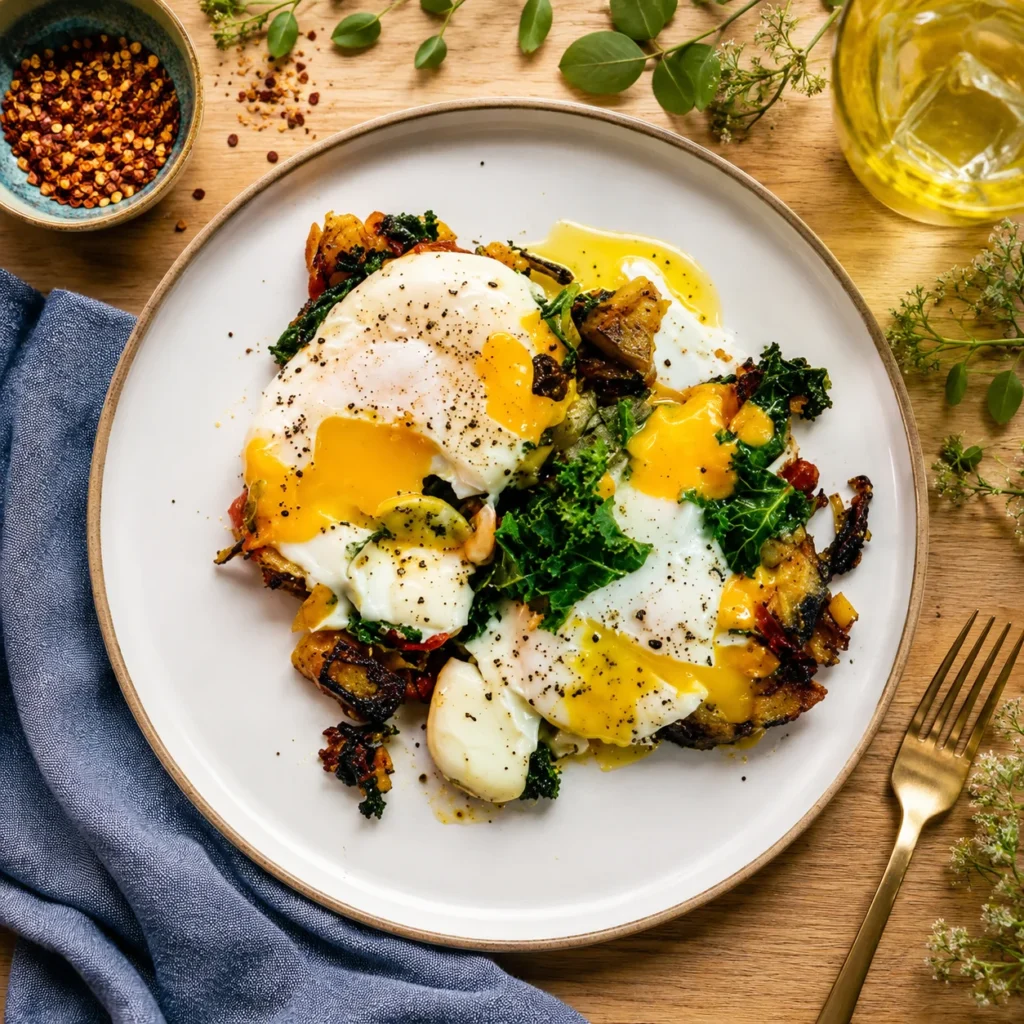
For mornings when preparation time is genuinely limited, these frugal breakfasts require minimal effort.
Peanut butter banana toast: Two slices of toast, one tablespoon of peanut butter, half a banana sliced on top. Cost: $0.55–$0.70. Preparation time: two minutes. The protein and fat from peanut butter combined with the carbohydrates from toast and banana produces sustained energy and significantly better satiety than any similar-priced packaged breakfast option.
Greek yogurt with frozen fruit: Plain Greek yogurt (store brand, purchased in the large container) costs approximately $0.40–$0.60 per serving versus $1.00–$1.50 for individual flavored cups. Add $0.30 worth of frozen fruit and a drizzle of honey ($0.10). Total cost: $0.80–$1.00. Preparation time: 90 seconds.
Smoothie from frozen fruit: One cup frozen fruit, one banana, half a cup of milk or yogurt, blended. Cost: $0.60–$0.90 per serving depending on the fruit combination. No added sugar needed the frozen fruit and banana provide all the sweetness. Preparation time: three minutes including cleanup.
Avocado toast: Half an avocado ($0.50–$0.75) mashed onto two slices of toast ($0.30–$0.40), salted, with a squeeze of lemon if available. Total cost: $0.80–$1.15. The avocado provides healthy fats that make this significantly more filling than plain toast.
Banana and peanut butter: The simplest frugal breakfast on the list. One banana and two tablespoons of peanut butter. Cost: $0.45–$0.65. Preparation time: zero. The combination of carbohydrates, protein, and fat is nutritionally complete for a breakfast and requires no cooking whatsoever.
Batch Breakfast Prep: Cook Once, Eat All Week
The most sustainable frugal breakfast system isn’t making something fresh every morning it’s dedicating 30–45 minutes on Sunday to preparing breakfasts for the week.
Sunday batch prep for 5 weekday breakfasts:
- Hard-boil 10 eggs (15 minutes, passive)
- Prepare 5 jars of overnight oats (10 minutes, no cooking)
- Bake one frittata for the first two days (25 minutes oven time, passive)
Total active time: approximately 25 minutes. Total cost for five complete weekday breakfasts for one person: $7–$12 depending on ingredients. Per breakfast: $1.40–$2.40 still less than most packaged or purchased breakfast options, with significantly better nutrition and satiety.
The Coffee Shop Calculation
The frugal breakfast math changes significantly when the coffee shop purchase is included.
Skipping breakfast and buying a coffee shop breakfast on the way to work is the most expensive breakfast strategy available: $8–$15 per day, $40–$75 per week, $160–$300 per month.
A frugal breakfast eaten at home even a simple egg on toast reduces this to zero. But more practically: a frugal breakfast that actually keeps you full eliminates the mid-morning $5 coffee and pastry that happens when a small or unsatisfying breakfast leaves you hungry by 10am.
The filling power of frugal breakfasts is as important as the cost. Oatmeal with protein and fat added (peanut butter, eggs on the side, yogurt), egg-based breakfasts, and overnight oats with generous toppings all provide the satiety that eliminates mid-morning snack spending.
A coffee at home costs $0.20–$0.50 per cup. Combined with a $0.80 frugal breakfast, the morning total is under $1.30 versus $10–$15 from a coffee shop. The annual difference: $3,100–$4,800 from one morning habit change.
The Frugal Breakfast Grocery List
According to Budget Bytes, which tracks actual cost data for hundreds of budget breakfast recipes, the most consistent predictor of a low breakfast cost is having these staples stocked at all times: rolled oats, eggs, store-brand bread, frozen fruit, bananas, peanut butter, plain Greek yogurt (large container), milk (or plant milk), and canned beans. Every frugal breakfast idea on this list is achievable from this staple list with minimal weekly variation in the grocery order.
Frequently Asked Questions
What is the cheapest breakfast per serving?
Plain oatmeal made from rolled oats is the cheapest breakfast per serving at $0.10–$0.20 before toppings. With a banana and peanut butter added, the cost rises to $0.55–$0.65 still the lowest cost complete breakfast available.
How do I make a filling frugal breakfast?
The combination that produces the most satiety at the lowest cost is oats or toast (carbohydrates) combined with protein (eggs or peanut butter) and some fat (peanut butter, avocado, or whole milk yogurt). Any frugal breakfast that includes protein and fat alongside carbohydrates will keep you full significantly longer than carbohydrates alone.
Are overnight oats cheaper than regular oatmeal?
The cost per serving is identical since they use the same oats. Overnight oats are more convenient because they require no morning cooking you prepare them the night before and eat them cold or at room temperature directly from the jar. The convenience makes the frugal breakfast more likely to happen consistently, which is what makes it practical.
What’s the quickest frugal breakfast for busy mornings?
A banana and two tablespoons of peanut butter zero preparation, zero cooking, $0.45–$0.65 total cost. Hard-boiled eggs prepared in batch on Sundays are equally fast. Overnight oats prepared the night before require 90 seconds of assembly in the evening and zero morning effort.
Is skipping breakfast actually cheaper?
No, when the full day’s food spending is tracked. People who skip breakfast consistently spend more on mid-morning snacks and slightly larger lunches that compensate for the skipped meal. A frugal breakfast under $1.00 prevents $3–$7 in compensatory snack and food spending for most people.
For more on building a frugal food system that works across every meal, read our guide on frugal dinners that keep costs under $2.50 per serving and frugal grocery shopping strategies that keep the weekly bill under budget.