
There’s a persistent myth that eating healthy requires a large grocery budget.
It doesn’t. In fact, the most nutritious foods available legumes, whole grains, eggs, frozen vegetables, canned fish are also among the cheapest foods in any grocery store. Food prices have risen 30.7% between 2019 and 2025 according to NerdWallet data, but the gap between expensive processed food and inexpensive whole food has actually widened in the opposite direction most people assume.
“It’s a myth that only people with a big bank account can afford to eat healthy,” says registered dietitian Anthony DiMarino, RD, of Cleveland Clinic. The challenge isn’t access it’s knowing which foods deliver the most nutrition per dollar and how to build meals around them.
Here’s the complete guide to frugal healthy meals, organized around the foods that cost the least and nourish the most.
The Most Nutritious Cheap Foods (Ranked by Value)
Before specific meals, the ingredient foundation. These foods consistently deliver the highest nutritional return per dollar spent, according to dietitian-reviewed cost-per-nutrient analysis.
Dried lentils: $0.10–$0.20 per serving Lentils deliver 18 grams of protein and 15 grams of fiber per cooked cup, require no soaking, cook in 20 minutes, and cost under $2 per pound. Per nutritional value delivered per dollar spent, lentils are arguably the single most efficient food available. They lower the risk of heart disease, stabilize blood sugar, and support gut health through their high fiber content.
Eggs: $0.25–$0.50 per serving Complete protein with all essential amino acids, plus choline, B vitamins, vitamin D, and antioxidants lutein and zeaxanthin (which support eye health). Despite price volatility, eggs remain one of the most cost-effective nutrient-dense proteins available anywhere in the grocery store.
Canned salmon and sardines: $1.00–$2.00 per serving The most nutritious canned fish options rich in omega-3 fatty acids, calcium (from the bones in canned sardines), vitamin D, and complete protein. A can of sardines or salmon becomes an entire meal when combined with whole grain crackers, pasta, or a simple salad. Per nutrient density delivered per dollar, canned fatty fish is one of the best frugal healthy meal investments available.
Frozen vegetables: $0.30–$0.60 per serving Frozen vegetables contain equal or superior nutrition to fresh produce because they’re frozen at peak ripeness, when nutrient content is highest. They cost 20–30% less per serving than fresh equivalents and produce zero waste no spoilage before you use them. Frozen spinach, broccoli, peas, edamame, and mixed vegetables are core frugal healthy meal components.
Dried beans (black, kidney, chickpeas): $0.10–$0.25 per serving High protein, high fiber, low glycemic index, rich in iron, potassium, folate, and magnesium. Beans reduce the risk of type 2 diabetes, cardiovascular disease, and certain cancers according to well-established nutritional research. They’re also the most filling food per dollar spent the fiber and protein combination produces sustained satiety that no processed food can replicate.
Oats: $0.10–$0.20 per serving Rich in beta-glucan (the soluble fiber shown to reduce LDL cholesterol), B vitamins, iron, manganese, and antioxidants. Regular oat consumption is associated with reduced risk of heart disease, improved blood sugar control, and better gut health. At $2–$4 for a container providing 30 servings, oats are the most nutritionally dense breakfast staple available.
Sweet potatoes: $0.30–$0.60 per potato One of the most nutrient-dense vegetables in any grocery store 41% of daily vitamin A (from beta-carotene), 19% of vitamin C, significant potassium, and 4 grams of fiber per medium potato. Filling, naturally sweet without added sugar, and genuinely satisfying as a meal component. Roasted sweet potato is one of the most versatile frugal healthy meal ingredients.
Canned tomatoes: $0.50–$1.00 per can Rich in lycopene (an antioxidant associated with reduced cancer and heart disease risk), vitamin C, vitamin A, and potassium. Canned tomatoes are the flavor foundation of dozens of frugal healthy meals — soups, stews, sauces, curries, chilis at minimal cost per serving.
Frugal Healthy Meals Built From These Ingredients
Lentil soup with vegetables Red or green lentils simmered with canned tomatoes, onion, garlic, cumin, and whatever vegetables are available. The lentils provide complete protein and fiber; the tomatoes provide lycopene and vitamin C; the vegetables provide micronutrients specific to their type. Per serving for four: $0.75–$1.25. Nutritionally complete for a meal.

Chickpea and spinach curry Canned chickpeas in a sauce of canned tomatoes, frozen spinach, onion, garlic, ginger, and curry spices. Served over brown rice. Per serving: $1.20–$1.60. The chickpeas provide protein and iron; the spinach provides iron, folate, and vitamins A and K; the tomatoes provide lycopene; the brown rice provides B vitamins and fiber.
Egg and vegetable frittata Six eggs combined with frozen vegetables (spinach, broccoli, peppers) and a small amount of cheese, baked until set. Serves four. Per serving: $0.85–$1.20. Complete protein from eggs, micronutrients from vegetables, calcium from cheese.
Black bean and sweet potato bowl Roasted sweet potato chunks, black beans from a can (drained and rinsed), and whatever greens are available, dressed with olive oil and lime juice. Per serving: $1.00–$1.50. Fiber, beta-carotene, protein, iron, and vitamin C from four ingredients that cost very little.
Salmon with roasted vegetables Canned salmon mixed with lemon, olive oil, and herbs, served over roasted sweet potato and broccoli. Per serving: $2.00–$2.75. Omega-3 fatty acids, complete protein, vitamin D, beta-carotene, vitamin C — a nutritionally dense frugal healthy meal that tastes significantly more expensive than its cost.
Sardine pasta Canned sardines in olive oil, tossed with whole grain pasta, garlic, lemon, and capers. Per serving: $1.50–$2.00. Omega-3s, calcium, protein, and complex carbohydrates from four inexpensive ingredients. One of the most overlooked frugal healthy meal combinations sardines dissolve into the pasta sauce and their distinctive flavor mellows considerably when paired with acid and garlic.
Oatmeal with eggs on the side A protein-rich frugal healthy breakfast that costs under $0.80 per serving. The oats provide beta-glucan fiber; the eggs provide complete protein. Combined, they produce sustained energy and satiety that convenience breakfast foods don’t approach nutritionally or economically.
The Nutrient-Dense Pantry: What to Always Have
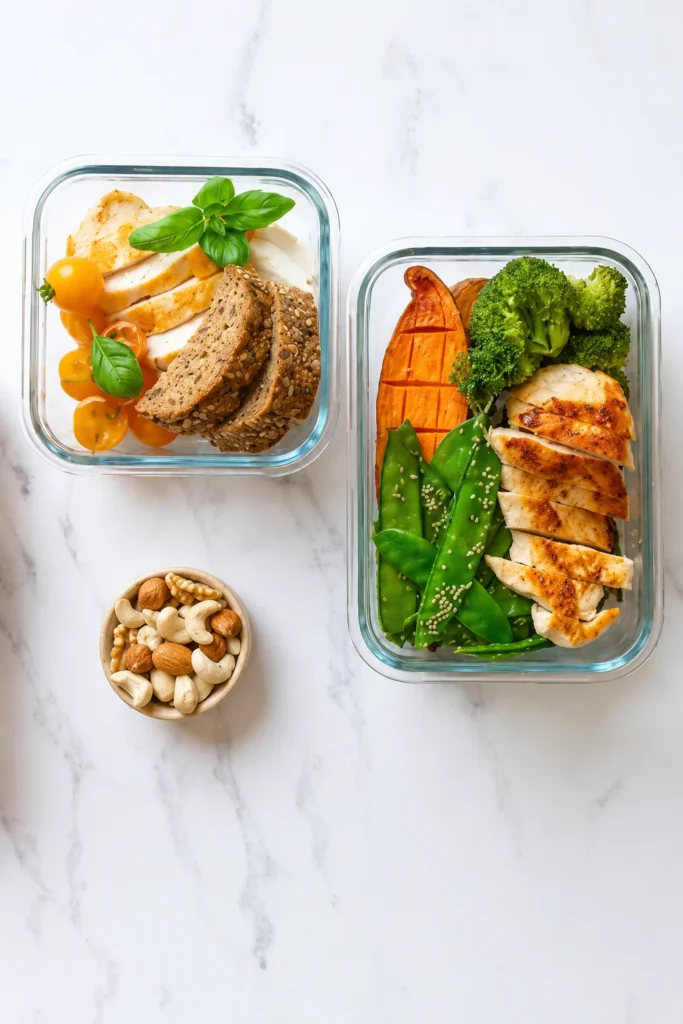
A frugal healthy meal pantry is built differently from a conventional pantry. It prioritizes nutrient density over convenience, shelf-stable over fresh where equivalents exist, and whole foods over packaged.
Always stocked:
- Dried lentils, red and green, cook from scratch or use canned in a pinch
- Canned beans, black, kidney, chickpeas, white beans
- Canned tomatoes, whole, diced, and crushed for different applications
- Canned sardines and salmon, shelf-stable complete nutrition
- Rolled oats, cheapest, most nutritious breakfast staple
- Brown rice, longer cooking time, higher fiber and nutrient content than white
- Whole grain pasta, more fiber and B vitamins than refined pasta
- Frozen spinach, broccoli, and mixed vegetables nutritionally equivalent to fresh at lower cost with zero waste
- Olive oil, anti-inflammatory fats, essential for flavor and nutrient absorption from vegetables
- Garlic, onions, and spices flavor without cost
Cost note on spices: A well-stocked spice cabinet transforms cheap whole foods into genuinely satisfying meals. Wesley McWhorter, DrPH, registered dietitian and spokesperson for the Academy of Nutrition and Dietetics, notes that “acid, spices, and aromatics make inexpensive meals taste restaurant-quality without adding cost.” Buying spices in bulk bins (where available) or at international grocery stores reduces spice costs by 50–80% versus supermarket name-brand jars.
The Frozen Vegetable Case: The Most Underused Frugal Healthy Tool
Frozen vegetables are nutritionally equivalent to fresh and often superior, because freezing occurs at peak ripeness when nutrient content is highest, while fresh produce often travels for days or weeks before reaching your kitchen.
Research published in the Journal of Food Composition and Analysis confirms that frozen produce matches or exceeds fresh produce in most nutrient measurements. For vitamin C specifically, frozen often wins because the vitamin degrades with exposure to light and air during transport and storage.
Practically: frozen broccoli, spinach, edamame, peas, corn, mixed stir-fry vegetables, and cauliflower rice are all nutritionally equivalent to fresh versions at 20–30% lower cost with zero waste risk. For frugal healthy meals, frozen vegetables are the most reliable way to maintain nutritional diversity without overspending.
Healthy Fats in a Frugal Kitchen
Healthy fat sources are where frugal healthy meal planning differs most from conventional diet advice. Many healthy fat sources avocado oil, fresh salmon, nuts are expensive. The frugal healthy meal alternatives:
Canned sardines and salmon provide omega-3 fatty acids at a fraction of fresh fish prices.
Eggs provide healthy fats (including omega-3s in pasture-raised versions) at minimal cost.
Olive oil (store brand, purchased in a larger bottle) provides anti-inflammatory monounsaturated fats at approximately $0.10–$0.15 per tablespoon.
Peanut butter and natural nut butters provide protein and healthy fats at $0.15–$0.30 per tablespoon.
Avocado (when in season) provides monounsaturated fats at $0.75–$1.50 each still far cheaper than most other high-quality fat sources.
Why Frugal Healthy Meals Are Also the Most Filling
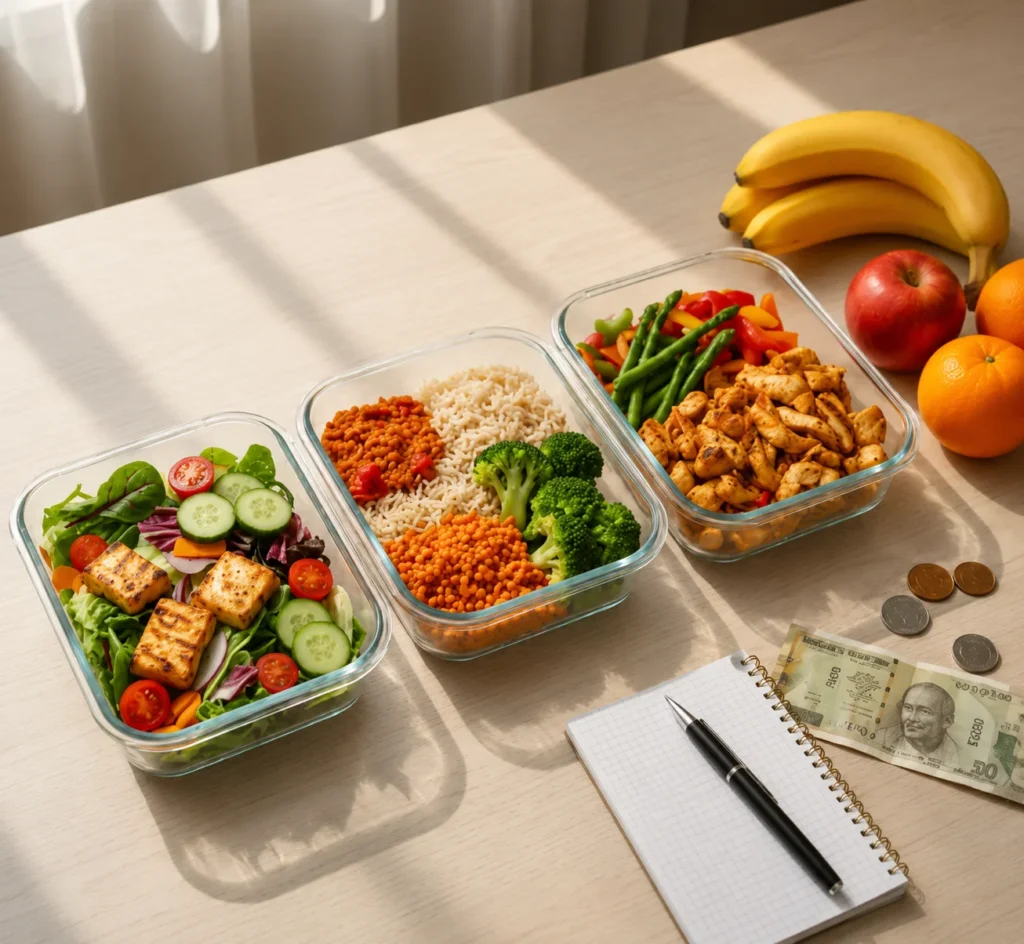
The relationship between cost and satiety runs opposite to what most people expect. The cheapest frugal healthy foods lentils, beans, oats, sweet potatoes are also the most filling, because they’re high in protein and fiber the two nutrients that most powerfully signal satiety to the brain.
Processed convenience foods, by contrast, are typically low in both protein and fiber despite being calorically dense. This is why a $5 fast food meal leaves you hungry two hours later while a $1.50 serving of lentil soup keeps you satisfied for four to five hours.
According to Cleveland Clinic registered dietitian Anthony DiMarino, hitting all major food groups when planning budget meals is achievable and the whole foods that deliver this balance most affordably are precisely the ones on this list.
Frequently Asked Questions
Is it really possible to eat healthy on a tight budget?
Yes. The most nutritious foods lentils, beans, eggs, frozen vegetables, oats, canned fish are consistently among the cheapest options in any grocery store. Food prices have risen significantly since 2020, but whole food staples remain far less expensive than processed convenience foods on both a per-serving and per-nutrient basis.
What are the most nutritious foods under $1 per serving?
Dried lentils ($0.10–$0.20), dried beans ($0.10–$0.25), rolled oats ($0.10–$0.20), eggs ($0.25–$0.50 per serving), frozen vegetables ($0.30–$0.60), sweet potatoes ($0.30–$0.60), and canned tomatoes ($0.10–$0.20 per serving) are all under $1 per serving with exceptional nutritional profiles.
Are frozen vegetables as healthy as fresh?
Yes, nutritionally equivalent and often superior in specific vitamins (particularly vitamin C) because freezing preserves nutrients at peak ripeness. Frozen vegetables cost 20–30% less per serving and produce zero waste, making them the more practical choice for frugal healthy meal planning.
How do I make cheap meals taste like more than budget food?
Spices, acids (lemon juice, vinegar), aromatics (garlic, onion, ginger), and proper seasoning (adequate salt) transform cheap ingredients into genuinely satisfying food. The flavor of a well-seasoned lentil dish exceeds poorly seasoned meat. Budget cooking that tastes like budget cooking almost always has a seasoning problem, not an ingredient problem.
For more on building a nutritious frugal food system, read our guide on frugal breakfast ideas under $1 per serving and frugal cooking techniques that stretch every ingredient further.